
The northeast of India is a region filled with lush green landscapes and a subtropical climate, with the backdrop of the Himalayas in the north and the hills of Nagaland, Mizoram, and Manipur. The states, Arunachal Pradesh, Assam, Nagaland, Meghalaya, Mizoram, Tripura, and Manipur together form the “Seven Sisters“, which make up the northeast region of India. Sikkim acts as the little brother of the seven sisters, as it is separated by West Bengal’s Siliguri Corridor. West Bengal acts as the gateway to the northeast region of India. Want to know more about the northeast region of India? Follow the North East Travel Guide and get to know about the places to visit in the northeast region of India.
The state of Northeast India is full of culture, tradition, and festivals. The region has many spots that will draw you closer to nature and spirituality, like national parks, Buddhist monasteries, Assam’s tea estates, and many spiritual temples, like one of the most powerful Shakti peeths, “Kamakhya Devi Temple”.
Table of Contents
Quick Glimpse of North East
| Facts | Information |
| Location | Northeast India |
| Also known as | Seven sisters of India |
| Currency | Indian rupees (INR) |
| Number of state | 8 states |
| Largest state | Arunachal Pradesh |
| Highest peak | Kanchenjunga |
| Major river | Brahmaputra |
| Places to visit | Tsomgo Lake, Mawsynram, Kohima And Nathu La Pass |
| Famous festivals | Hornbill, Bihu, Sangai, Wangala, ChapcharKut |
Why Visit North East India?
Explore the unexplored.
Unlike other states, the Northeast region has the most untouched places to visit which has not been explored yet. Darjeeling is the only place most of the tourists have visited, along with Sikkim and Assam. But most of the northeast is still untouched. You will get to discover the rich culture, heritage, and wildlife. Cherrapunji, Dawki, Shillong in Meghalaya, Ziro Valley in Arunachal, Jampui Hill in Tripura, Dzouko Valley in Nagaland, Tsomgo Lake and Pelling in Sikkim.
Landscape and beauty
The northeast region of India is home to an abundance of natural beauty that provides the most astonishing landscapes for tourists. The famous national parks, forests, greenery, waterfalls, and mountain ranges are the major reasons for visiting there.
Culture and festival
The Northeast region of India is rich in culture; every state has its own culture, which is not common. Travelling to the northeast will dive you into the rich culture followed by different tribal communities, and festivals that are celebrated with different rituals are very new to witness.
The cuisine of the Northeast, India has been very popular among tourists as it provides a soulful taste to your taste buds with rich spices and different varieties of dishes. Northeastern cuisine is a delight to both vegetarians and non-vegetarians.
Geography of Northeast India
Delicious cuisine
The Northeast region of India is situated in the Eastern most part of the country, while sharing borders from every direction with an Asian nation; the culture of every state has influence from these countries. The northern part is bordered by China; on the east is Myanmar, southwest by Bangladesh, Nepal in the west, and Bhutan in the northwest.
It is linked to India by a narrow lane known as the “Chicken Neck“, also known as the Siliguri Corridor. The northeastern region of India comprises the seven sisters and their little brother, which refers to the states of Arunachal Pradesh, Assam, Nagaland, Meghalaya, Mizoram, Tripura, Manipur, and Sikkim.
The region is famous for receiving the highest rainfall in India, and Mawsynram, a small town in Meghalaya, is the wettest place in the world because it receives the highest amount of rainfall annual in the world.
Top Places to Visit in Northeast India
While visiting any destination, the first thing that travelers look for is the major attractions or top places to visit. To visit the top places, a Northeast India Tour Package is needed to ease your journey.
Here is the list of places to visit in the Northeastern region of India:
Assam: The home to tea gardens
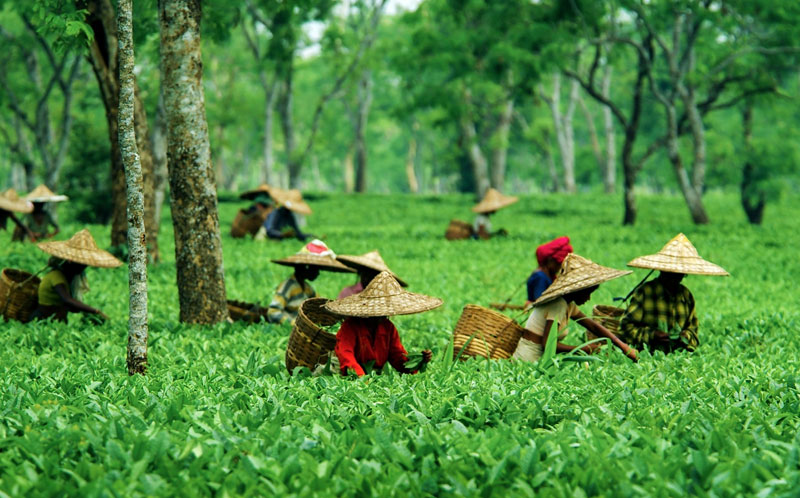
Assam is the state where most of the journey of Northeast India begins and is famously known for its tea gardens, rich wildlife, rich culture, and ancient temples. The city is also home to the holy Brahmaputra River, is flowing through the city.
To showcase the rich Assamese culture, Majuli, the world’s largest inhabited river island, is present with the old monasteries, traditional art, and traditional village life. The history of Assam is depicted through Sivasagar, the former capital of the Ahom Kingdom that ruled for the longest time. The art and cultural dance forms and traditional folk song all be witnessed in the most vibrant festival, Bihu.
Assam is a blessing for nature lovers, as there are 8 national parks situated in Assam, which are:
| National Parks | Year of Establishment |
| Kaziranga National park, | 1974 |
| Manas National Park, | 1990 |
| Nameri National Park, | 1999 |
| Dibru- Saikhowa National Park, | 1999 |
| Orange National Park, | 1999 |
| Raimona National Park, | 2021 |
| DehingPatkai National Park and | 2021 |
| SikhnaJwhwlao National Park. | 2025 |
Things to do in Assam:
- Visit the World UNESCO heritage site, Kaziranga National Park, to spot the famous one-horned rhino.
- Explore the cultural heart of Assam, Majuli, and discover the world’s largest inhabited river island.
- Check out the silk-weaving village, Saulkuchi, famous for Pat and muga silk of Assam.
- Seek blessings at the famous temple of Guwahati, the capital, the auspicious Kamakhya Devi Temple, Umananda Temple, and many more.
- Walk through the tea garden and take the aroma of the natural Assamese tea home.
Meghalaya: The land of living Root Bridge
The most scenic town of the Northeast, true to its name, the abode of clouds, with the misty hills, waterfalls, and dense forest. The mountainous wind with the perfect lush green landscape makes it one of the most beautiful destinations of the Northeast. Meghalaya during monsoon is unreal with the bloomed valley. The capital, Shillong, is known as the Scotland of the East for its beautiful hills. The major attraction of Meghalaya is Cherrapunji, one of the best destinations for vacation, known for the living Root Bridge, caves, and waterfalls.
The state is also famous for the Khasi, Jaintia, and Garo tribes; travelers visit there to witness their culture, language, tradition, festivals, and their way of living. They practice matrilineal culture where family descent, names, and property are tracked through the mother’s side. Meghalaya is also home to many small villages such as Mawlynnong, the cleanest village in Asia. Kongthong, the whistling village, and Shnongpdeng, famous for riverside camping and kayaking. Visiting these villages will draw you closer to the real side of the state.
Things to do in Meghalaya:
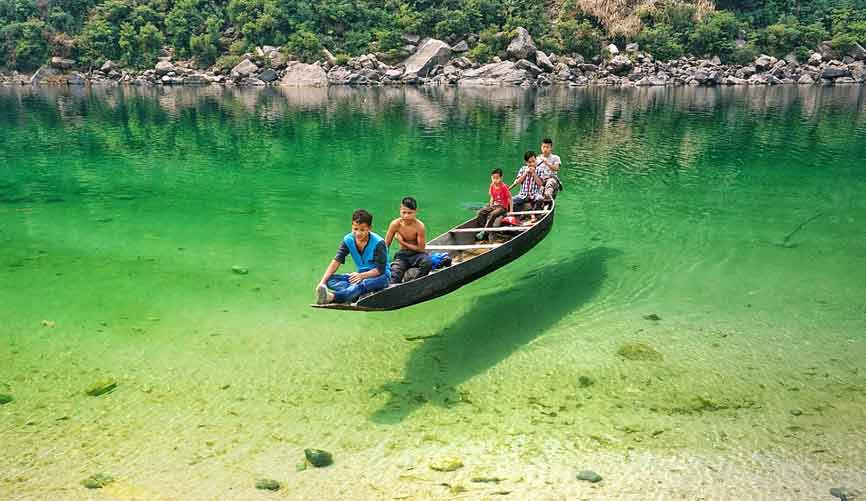
- Experience boating in the crystal clear water of Umngot River in Dawki.
- Explore the double-deck living Root Bridge formed of roots of a rubber tree across the river.
- Witness the beauty of the Seven Sister waterfalls, India’s most beautiful natural attractions.
- Discover one of India’s tallest plunge waterfalls, Nohkalikai Falls.
- Unwind the beauty of the caves of Meghalaya, the Arwah cave and Mawsmai cave.
Arunachal Pradesh: Land of Rising Sun
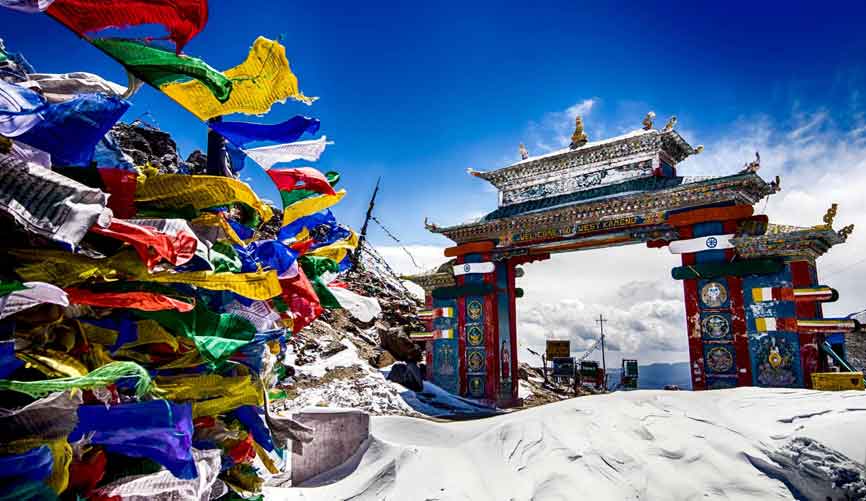
Arunachal Pradesh is the unspoiled beauty of nature with rivers, lakes, hills, and valleys. Arunachal Pradesh shares borders with Bhutan and China along with many hill ranges, grassland, and settlements. A northeast India trip will take you to a place that has the best opportunities for water sports, including kayaking, rafting, camping, motorbiking, and many others on rivers like Lohit, Siang, and Subansiri.
The state is also filled with diverse wildlife, including rare species like White Winged Wood Duck. Namdapha, Dibang, Sessa and Pakhui. Not only animals, but the state also has a variety of flowers, reptiles, and orange and apple orchards.
Arunachal Pradesh is famous for its Hornbill Festival and the Monpa, Adi, Apatani, and Mishmi tribes, making it a culturally rich state.
Things to do in Arunachal Pradesh
- Visit the famous Tawang Monastery, one of the largest and most important monasteries in India, which holds great significance in Tibetan Buddhism.
- Witness the breathtaking views of the Himalayas through the Sela Pass, Madhuri Lake, and Bum La Pass.
- Experience the beauty and the music festival of Ziro Valley.
- Visit the Namdapha National Park and spot the variety of flora and fauna.
- Explore the capital city, Itanagar, where you can find Ita Fort, Ganga Lake, and the Jawaharlal Nehru State Museum.
Nagaland: The land of festivals
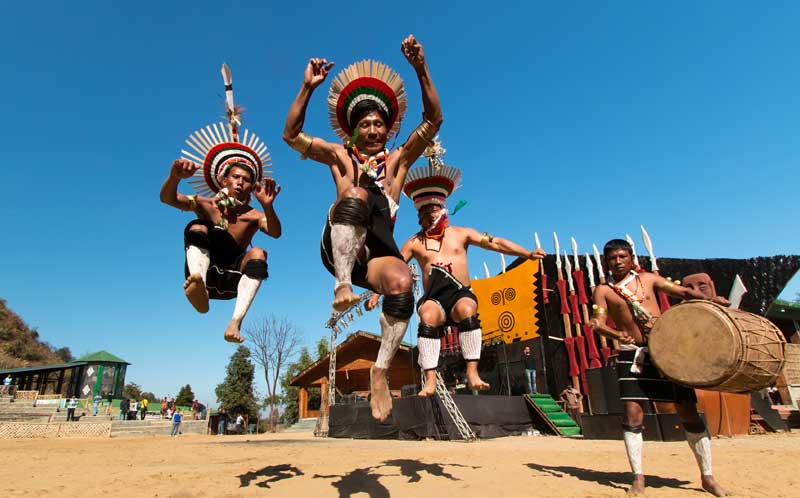
The state is the most celebrated region of the northeast, with vibrant tribal culture, scenic viewpoints, and warm hospitality. The state is home to 17 official Naga tribes, which showcase their culture through the Hornbill Festival by getting all the Naga tribes together for 10 days to celebrate the “festival of festivals” with folk songs, dance, food, and craft. Kohima, the capital of Nagaland, offers the World War cemetery, Nagaland Museum, Kisama Heritage Village, and the Naga Bazar, where you can buy edibles like snails, mulberry silk worms, frogs, and many more.
Longwa village, located on the India-Myanmar border, was the home to a headhunter tribe known as the Konyak, who practiced headhunting till the 1960s. Nagaland is a location that offers a mix of culture, nature, and meaningful experiences that will get you closer to the Naga tribes and their traditions.
Things to do in Nagaland
- Celebrate the Hornbill Festival with authentic tribal culture and experience the authentic dance and folk songs.
- Witness the beauty of Dzukou Valley while trekking on the Japfu peak.
- Experience the two-sided culture of Longwa Village as the village shares a border with Myanmar.
- Explore the night market of Kohima village and indulge in the beauty of Khonoma, the first “green village” of India.
- Trek through the heights of Nagaland, Saramati peak and Mount Pauna.
Manipur
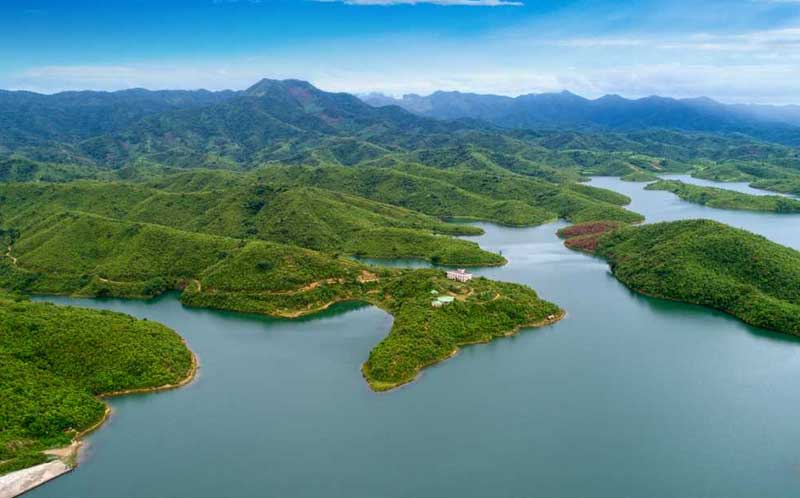
Manipur is a mesmerizing location that is situated in the southern sub-Himalayan range in the northeast of India. The state doesn’t settle for less, as it offers nature at its peak with the misty hills, beautiful lakes, green valleys, and dense forests. Manipur’s famous classical dance tradition and rich art and culture attract tourists. The state is less explored, with its beauty, calmness, and simplicity making it the most serene place to visit.
The place is all about the beauty of people; tourists feel the most welcome while visiting Manipur. Other than hospitality, there are many places to visit and things to do in Manipur, including Imphal, Bishnupur, Thoubal, Ukhrul, Churachandpur, Senapati, Tamenglong, and Chandel. Another major attraction is the KeibulLamjao National Park in Bishnupur, which is considered to be the only floating national park. Manipur is all about shopping for jewelry, handlooms, and local handicrafts.
Things to do in Manipur
- Enjoy boating in the freshwater of the Loktak Lake.
- Plan a picnic in the beautiful surroundings of SaduChiru waterfalls.
- Hike in the underground chambers at the Tharon caves.
- Be a part of Manipur’s art and culture through the famous Sangai festival.
- Visit the unique market ImaKeithel, run entirely by the women of the village who sell organic vegetables, jewelry, and handlooms.
- Indulge yourself in the authentic taste of Manipur’s cuisine: Eromba(fish and vegetable mash), Singju (Spicy salad), and Chakhao (black rice pudding).
Mizoram: Land of Blue Mountain
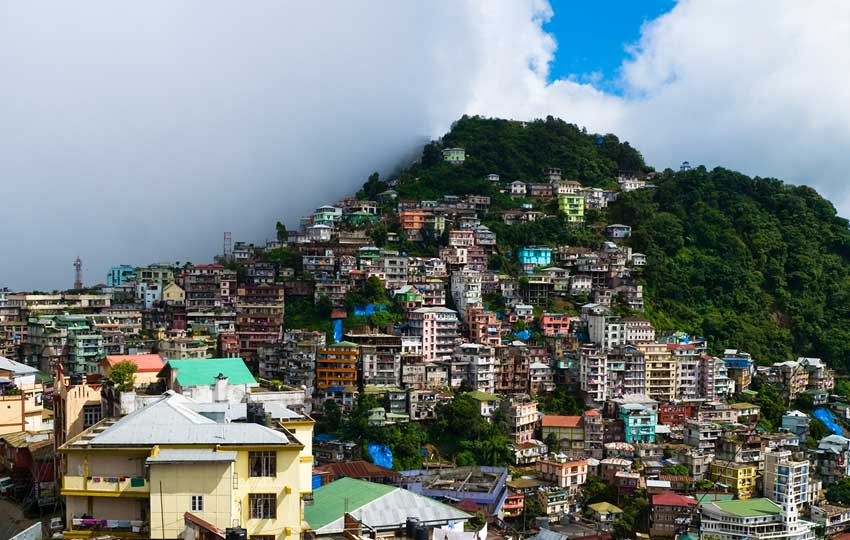
Mizoram is famous for the Mizo hospitality, with the untouched eternal beauty of nature. The name of the state Mizoram carries a different meaning: “Mi” refers to people, “zo” refers to hills, and “ram” means land, which forms together the land of people residing in the hills. The state, named the land of mountains as it is surrounded by the Lushai hills, changed to Mizo hills. The state follows the culture of the Mizo people, who have kept their culture alive through vibrant festivals, traditional music and dance, and the most popular Mizo Shawls.
The Mizo people are really creative; the women of Mizoram express the culture and tradition of the state with traditional embroidery on the skirts and shawls. Their culture and rituals are depicted in the festival Wangala celebrated by the Garo tribe, featuring the rhythmic dance and the rituals.
Things to do in Mizoram
- Visit the Phawngpui Hills, the highest mountain peak in Mizoram.
- Explore the Memorial of Chhingpui, located on the Aizawl-Lunglei Road between Baktawng and Chhingchhip villages.
- Witness the beauty of Vantawang Falls, located in the Vanva River and surrounded by lush green views.
- Experience an oval-shaped natural lake known as the Palak Lake. It is one of the most popular lakes in Mizoram, which is a must-visit tourist spot.
- Unwind in the hidden beauty of the KhuangcheraPuk cave, a perfect location for thrill seekers.
Sikkim
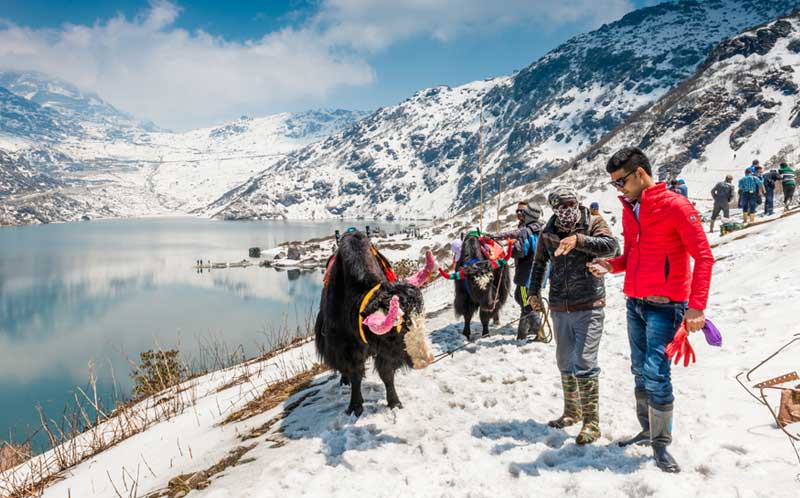
Sikkim is the little brother to the seven sisters, situated in the lap of the eastern Himalayas. The city is filled with natural beauty, from breathtaking mountains to serene lakes and waterfalls. Sikkim is home to the third-highest peak, Kanchanjunga, with lush green valleys and dense forests; the place draws you closer to nature. Sikkim also offers many adventurous activities like trekking, hiking, and others.
The culture of Sikkim has diversity, as the place has influences from Tibet, Bhutan, and Nepal, which makes it unique. The famous monasteries like Rumtek Monastery and Tashiding Monastery are one of the major reasons for tourism. The rich wildlife, delicious cuisine, thermal hot springs, and tea gardens are also key to attracting travelers to Northeast India tourism.
Things to do in Sikkim
- Take a drive to an elevation of 14,140 feet to reach the famous Nathu La Pass.
- Visit the Chopta Valley in Northern Sikkim to witness the orchids and the rhododendrons.
- Visit one of the most famous spots, TsoLhamo Lake, the highest lake in India, which is the source of the river Teesta.
- A 20-minute drive from Gangtok will take you to the most beautiful waterfall, Bakhtang Waterfall, where you can enjoy the view and capture beautiful photos.
- Explore the Khangchendzonga National Park, a UNESCO World Heritage Site, Snow leopard, Himalayan black bears, musk deer, and many more animals.
Best Time to Visit Northeast India
| Season | Months | Weather | Why Visit |
| Peak Season | October – April | Pleasant, cool, and dry | These months are considered as the best time to visit Northeast India, with the clear skies and pleasant weather. The perfect time to enjoy vibrant festivals, sightseeing and wildlife safaris. The season offers most favorable travel season across the north eastern states. Peak season with heavy crowd could be a disadvantage. |
| Mid-Season | May – June | Warm with occasional pre-monsoon showers | To escape the scorching heat of summers, it is the best time to visit the hill stations like Arunachal Pradesh and Sikkim. Explore the lush green landscape and enjoy picnic near the waterfalls. Lesser crowd than the peak season can make your exploration easy. |
| Off Season | July – September | Heavy monsoon rainfall and high humidity | The region receive maximum amount of rain which turns the states into a living green paradise. With the misty hills and fully flowing waterfall the region becomes most beautiful. The best time for budget travelers and nature lover. But the humidity is at its peak and chances of landslide and traffic conjunction can affect your vacation. |
Weather/ temperature
The northeast has diverse climate patterns which differs from altitude. The lower valley maintains the sub-tropical condition, and the temperature ranges between 15-30 degrees. The mid-altitude region brings moderate temperatures with around 10-25 degrees. Hilly areas receive a chilling atmosphere that drops below the freezing point during winters. Northeastern India receives the heaviest rainfall in India, the area such as Cherrapunji and Mawsynram in Meghalaya are considered the wettest places on earth.
Suggested Northeast India Tour Itinerary for 10 Days
Day 1: Arrival at Guwahati and travel to Shillong.
- Your tour starts with your arrival at Guwahati and transfer to Shillong, known as the Scotland of the East.
- During the transfer to Shillong, take a small break at Umiam Lake, where you can enjoy boating and witness the beautiful sunset along with the beauty of the Sylvan hills surrounding the valley.
- Upon your arrival at Shillong, check in to the hotel and spend your time at leisure.
- Overnight stay at Shillong.
Day 2: Day trip to Cherrapunjee (56 kms) taking 1 hour 57 minutes.
- After breakfast, get ready for an exciting day excursion to Cherrapunjee.
- Start your exploration with the world’s 4th highest waterfall in the world, Nohkalikai Falls. Admire the beauty of the waterfall with the tallest plunge in India.
- Move forward towards your next destination seven sisters falls also known as the Nohsngithiang Falls, and indulge in the beauty of the sunset along with the waterfall.
- Continue to explore the caves around Cherrapunjee, such as Mawsmai Cave and Arwah Cave.
- Return to Shillong, and visit Elephant Falls and Shillong Peak. Enjoy the breathtaking views of the city from the top of the hill.
- Overnight stay at Shillong.
Day 3: Sightseeing at Shillong
Start your day with the best of Shillong; visit the Don Bosco Museum, the most high-tech museum in India.
Sightseeing places to visit in Shillong:
- Don Bosco Museum
- Ward’s Lake
- Botanical garden
- Lady Hydari Park, also known as PhanNonglait Park.
- Police Bazaar.
Later, return to the hotel for an overnight stay.
Day 4: Shillong to Kaziranga National Park (365 kms) 7 hours
After breakfast, check out from the hotel and proceed towards the Kaziranga National Park, famous for the one-horned rhinoceros.
Upon arrival, check in to the lodge or resort and unwind with a good sleep.
Day 5: Explore the Kaziranga National Park and transfer to Dirang (250 km)
- Get ready and gear up for the exploration of the Kaziranga National Park. Spot animals like one-horned rhino, water Buffaloes, wild elephants, and Royal Bengal tiger in their natural habitat. Also spot the wide variety of birds and explore all the zones of the central park through the jeep and the elephant ride.
- Later, transfer to Dirang in Arunachal Pradesh; on your way, visit the Nag temple. Also enjoy another stopover at Asia’s third largest Orchidarium at Tipi to spot around 7500 orchids.
- Overnight stay in Dirang.
Day 6: Dirang to Tawang
- Start your day with a boat ride on the Dirang River and enjoy the scenic view of the calm and beautiful river, and explore the Apple orchards.
- After the exploration, your next destination is Dirang Monastery; experience the doctrine of Tibetan Buddhism.
- Later, proceed towards the Sela Pass, the second-highest pass. While crossing the breathtaking views, you can visit the Yak Research and Breeding Centre to understand the Yak’s breeding.
- You can also explore Dirang’s natural hot water spring and later visit JaswantGarh, a memorial to a brave Indian soldier of the Indo-China War of 1962.
- Now drive towards Tawang. On arrival, check in at the hotel for an overnight stay in Tawang.
Day 7: Explore Tawang
After your breakfast, start your day with the exploration of beautiful places in or around Tawang.
Places to explore on the day:
- War Memorial
- Tawang Valley
- Handicraft Centre
- Dalai Lama’s Birthplace
- And the famous Tawang Monastery, the second-largest Buddhist Monastery.
Overnight stay at the hotel in Tawang.
Day 8: Tawang to Bhalukpong
Your day starts with a long drive after a healthy breakfast. Depart for Bhalukpong, the border of Assam and Arunachal Pradesh.
Upon your arrival at Bhalukpong, check in to the hotel and take proper rest.
Day 9: Bhalukpong to Guwahati (260 kms)
The last day of your Northeast tour package will start with an early morning visit to the famous Nameri National Park. One of the best places to spot wildlife and go birdwatching.
Later, after the safari, have the last breakfast of your tour and pack your bags for your return journey.
How to Reach North East India
By Road
There are many cities in the Northeast that are well connected by roads, and many people prefer to take a long Bus journey as the views are quite scenic and the rates are also more affordable than air and train. But it is only advisable to take a bus journey if you are traveling to the urban areas. It could be really tough to reach remote areas by road unless you have your own vehicle. Traveling to north east from Delhi could possibly take around 48 hours.
By Train
Arunachal Pradesh and Assam have good train connectivity for trains. The major railway stations in the northeast are Guwahati, Dibrugarh, Agartala, and Lumding. Many trains are available to start your Northeast India Trip.
By Air
There are several flights to the cities of northeast states; you can easily reach the northeast with a direct flight. Popular airports in the Northeast are Silchar Airport in Assam and the LokpriyaGopinathBordoloi International Airport in Guwahati. There is no direct flight to Arunachal Pradesh.
Best Food to Try
The culinary experience of the Northeastern region of India is very different from the rest of the country and has a unique blend of spices and different kinds of meat. The northeast India travel guide will take you to the best cuisine, which is a treat for non-vegetarians. Some of the popular dishes are:
- Khar from Assam: A traditional Assamese meal made with red rice, beaten pulses, and raw papaya with a hint of traditional Assamese spices.
- Pitha from Assam: A sweet/ salty snack; most people have it with tea.
- Smoked pork from Nagaland: The smoked pork meat tossed with spices.
- Galho: A Wholesome dish prepared with lentils and rice like Khichdi with vegetables; you can also add any meat.
- Thukpa from Arunachal Pradesh: The taste of thukpa has traveled from Tibet, with the addition of traditional hilly vegetables and meat prepared along the flat noodles with soup.
- Kellichana from Manipur: The dish was named after a local lady selling chickpeas on the roads of Manipur on lotus leaves with different local flavours.
- Jadho from Meghalaya: A dish prepared both the ways in vegetarian as well as non-vegetarian with specialized Meghalayan rice along with less oil and tomatoes for making it less calories dish.
- Chikhvi from Tripura: Made with stir-fried pork along with Bamboo shoots, with the perfect moisture, the dish will melt into your mouth.
Adventure Activities
The North East India Tourism promotes nature, spirituality, different cultures, and practices followed by various tribes residing here. A vacation in Northeastern India will introduce you to many new experiences that you are unaware of. Along with nature, breathtaking views, culture, and history, the region also invites you to the best of the adventures that you can enjoy throughout your journey. These are some of the adventure activities in Northeast India:
River Rafting
The beauty of the Brahmaputra River in Assam is commendable; the river flows through the city and spreads holiness. In the presence of a trained guide and all the safety gear, enjoy the rafting in the serenity of the Brahmaputra River with your friends and family.
Trekking
Trekking is one of the best experiences to indulge in the Northeastern part of India. As the region is a paradise for travelers who love to explore the beauty and lush green landscape of Nagaland, Meghalaya, and Arunachal Pradesh, it is filled with adventurous trails and rocky pathways that give you a thrill while trekking. Dzuko Valley is the most popular destination for trekking.
Cave exploring
Cave exploring is one of the famous activities for which tourists visit the northeastern region of India. The mysterious and dark caves are the major attraction, as it hides the beauty in darkness. One of the longest caves is the KremLiatPrah situated in Meghalaya, which stretches of 30kms long. Other famous caves are Mawsmai Cave and Awrah Caves.
Kayaking
The best way to explore the beauty of a destination is always through the sea or water. By paddling through the water, you can experience the beauty of the Kyunshi River and refresh your mind through the soothing sound of the river waves.
Outdoor camping
Camping through the lush green valley and the soothing winds with the refreshing fragrances of the greens is one of the most relaxing experiences you will have in the hills. The famous East Khasi and Jaintia hills are a famous spot for outdoor camping, with birds chirping and butterflies flying around you through the beauty of the hills.
Rappelling
Northeast India is blessed with many famous waterfalls which enhance the beauty of the region. Waterfalls also welcome adventure enthusiasts for Rappelling, which refers to moving down through the waterfalls with considerable height with proper gear and guidance. Elephant Falls and the Davaki River are famous spots to experience Rappelling.
Festivals of North East India
- Losar, Arunachal Pradesh: The festival is celebrated to mark the beginning of the Tibetan New Year, celebrated by the Monpa, Khamba, Memba, Nah, and Sherdukpens tribes in Arunachal Pradesh
- Saga Dawa, Sikkim: The most celebrated Buddhist festival is celebrated during the lunar month of the Tibetan calendar.
- Ambubachimela, Assam: It is one of the most auspicious festivals celebrated in Assam. It is believed that the festival is celebrated as MaaKamakhya in the Kamakhya Devi Temple in Guwahati menstruates during this period. The Brahmaputra River also turns red near the temple.
- Ziro Festival, Arunachal Pradesh: The biggest music festival celebrated in the Ziro valley of Arunachal Pradesh, numerous Indie bands participate in the festival to showcase their talent.
- MoatsuMoong, Nagaland: The festival holds major significance among the Ao tribe of Mokokchung district of Nagaland as they celebrate the harvesting season by wearing traditional attire and performing cultural dances and folk songs.
- Hornbill Festival, Nagaland: The Hornbill Festival is one of the most prominent festivals of Nagaland, in which all the 16 tribes of the state come together to showcase their culture through dance, singing, art, wooden carvings, sports, and a food fair. The Hornbill Festival is the most important festival; it draws a major crowd to witness the culture and tradition of Nagaland.
- Bihu, Assam: Bihu is a major festival of Assam. It is celebrated throughout the year; the festival is celebrated in three types: BhogaliBihu, RongaliBihu, and Kati Bihu. The BhogaliBihu is celebrated in the month of April to mark the Assamese New Year. The Kati Bihu is celebrated in the month of October when the plantation is completed. RongaliBihu is celebrated in the month of January during the end of the harvest season. The festival is celebrated through the regional tunes of Bihu songs and dance.
- Myoko festival, Arunachal Pradesh: The festival is celebrated by the Apatani tribes. As it is a month-long festival, it is celebrated by 3 different communities, and rituals are followed by Priests for prosperity, purification, and fertility. Pigs are sacrificed during the rituals.
Shopping Spots in Northeast India
The shopping culture of Northeast India includes different handicrafts, wooden carved elements, and other things. These are some of the most popular markets around the Northern region of India.
Lewduh Bazar
The name Lewduh translates to the market of the common man. It is known as the oldest and largest market of Meghalaya. This market is mostly managed by women of the area who use the local language, forwarding their culture, and also offer bargaining. The market is famous for the wooden smoking pipes, organic products, and local handicrafts. DarziGali is a popular lane with many tailor shops.
Police Bazar
The bazar is located in the center of the city, and is popular for the rich motifs, bright shawls, and the hand-woven textiles. The market is also famous for leather jackets, boots, and sneakers. The Police Bazar is home to traditional as well as modern shops under one roof.
Hong Kong Market
The market is located in the Dimapur district of Nagaland. The market is famous for trendy clothes like winter dresses, trench coats, pullovers, denims, and a wide range of footwear. Many gadgets and accessories are also transported from Myanmar and sold in decent prices, either second-hand or original goods.
Tibetan Market
The market is located in the capital of Nagaland, the hilly city of Kohima. The market is famous for selling stylish and chic clothing and footwear. From thrift stores to top brands,s, every option is available in the market. The market has the Tibetan side, which is popular for second-hand clothing items from Korea and Europe, which are sold here at very low prices.
Northeast India Travel Tips
- Before visiting the northeastern region of India, always check for an ILP (Inner Line Permit), as some areas need a permit to travel.
- Make sure to pack according to the season and keep warm clothes, as mornings and nights could be chilling, especially in hilly areas.
- Carry an umbrella and raincoats as sudden showers can occur even in the dry season.
- Do not forget to carry a good and comfortable pair of shoes as many places require trekking and heavy walking to reach the viewpoint.
- Carry enough cash, as many remote areas don’t have network and also don’t have ATM machines.
- Pack a small first aid kit and essential medicines to avoid motion sickness.
- Be respectful towards the locals, as north east is home to many tribal groups who have their own customs.
- Always take permission before capturing anything or anyone.
- Be on the safer side; avoid unnecessary interactions and traveling after dark, as that will not be safe for you.
- Download offline maps in case you lose the network; you will still figure your way out when lost.
- Use a local guide to avoid miscommunication, and it will save you time from getting confuse for what places to cover.
FAQs
What is the best time to visit North East India?
The best time to visit North East India is from October to April, as the monsoon season comes to an end and skies are clear with the most pleasant atmosphere for sightseeing.
Which are the seven sisters of the Northeast?
The seven sisters of the Northeast are: Arunachal Pradesh, Mizoram, Manipur, Assam, Nagaland, Meghalaya and Tripura.
Which is the least explored state of the Northeast?
Northeast region of India is very less explored and untouched, unlike other states of India. The least explored part of the Northeast is Mizoram. Mizoram is one of the most beautiful places to explore the Blue Mountains, waterfalls, and the dense forest.
Is Northeast India safe to travel?
Yes, Northeast India is safe to travel, and is famous for the hospitality provided by the locals. You can visit places like any other destination; avoid unnecessary interactions.
Do I need any permit to visit Northeast India?
Yes, you need a permit to visit some states of the northeast. An inner line permit is needed to travel to states like Arunachal Pradesh, Nagaland, Mizoram and Manipur.
What are the best places to visit in Northeast India?
The best places to visit in Northeast India are Shillong, Kaziranga National Park, Gangtok, Tawang, Cherrapunji and many others.