

Located in the foothills of the Himalayas, Darjeeling is one of India’s most enchanting hill stations, known as the “Queen of the Hills,” a dream destination for its world-class tea gardens, misty mountains, colonial charm, views of Kanchenjunga, and the UNESCO World Heritage “Toy Train.” But planning your perfect trip can feel overwhelming—especially when you’re balancing budget, time, and experiences. That’s exactly where this Darjeeling travel guide comes in.
This Darjeeling travel guide helps you plan the ideal trip—whether you’re looking for a detailed Darjeeling itinerary, a smart budget trip plan, or simply want to explore the top Darjeeling tourist places.
From experiencing magical sunrises at Tiger Hill to walking through peaceful monasteries and sipping freshly brewed tea in lush plantations, Darjeeling offers a unique mix of relaxation, adventure, culture, and exploration. Let’s dive into everything you need to know to make your trip memorable.
Table of Contents
What is the best time to visit Darjeeling for the perfect experience?
Choosing the best time to visit Darjeeling can completely enhance your experience and transform your trip from good to exceptional.
Spring & Early Summer (March to May):
- The weather in these months remains cooler.
- Temperatures range from 10 °C to 25 °C.
- The weather is surprisingly pleasant, making it the best time to explore the city and enjoy fun activities.
- The weather is pleasant, flowers are in full bloom, and the skies are mostly clear.
- Celebrations, including the Buddhist Buddha Jayanti (May); Chaita Dasai (Ram Navami, March/April); and the Bengali New Year, Poila Baisakh (April).
Monsoon (June to September):
- During these months, you would experience heavy rainfall, which is around 126 inches.
- The temperature is around 18°C to 25°C.
- Frequent rainfall can disrupt travel plans.
- Due to this, there are frequent landslides, making travel through the region quite difficult.
- If you don’t mind the rain and enjoy solitude, this season is best for you.
- Religious events celebrated are Teej (August), Nag Panchami (July), and early preparations for Durga Puja in September.
Autumn (October to November):
- Darjeeling in autumn is considered one of the best times to visit.
- Temperatures ranging from 10°C to 20°C.
- Post-monsoon, the scenery is lush, making it ideal for tea garden visits, trekking, and photography.
- Autumn offers clear skies, crisp air, and fewer crowds.
- Major festivals celebrated include Durga Puja, Dashain, and Tihar (Diwali).
Winter (December to February):
- Winters are cold but peaceful.
- Temperatures range from 2°C to 10°C, often dropping to nearly -2°C in January
- These months offer spectacularly clear views of the Kanchenjunga range, crisp, cool air, and fewer crowds.
- It is ideal for romantic or quiet trips featuring stunning sunrises at Tiger Hill and cozy cafe visits.
- Winter in Darjeeling hosts vibrant local events, including the Teesta Tea and Tourism Festival, the Darjeeling Orange Festival, and the lively Darjeeling Carnival. Visitors can also enjoy Christmas and New Year festivities.
Best Recommendation: For the best balance of weather and scenic beauty, plan your trip in March–May or October–November for the best overall experience.
How to Make a Smart Darjeeling Budget Trip Plan Without Overspending?
Traveling to Darjeeling doesn’t have to be expensive. With the right approach, you can easily create a smart Darjeeling budget trip plan without missing out on the experience.
Travel Tips to Save Money:
Accommodation Tips
- Choose homestays or budget hotels instead of luxury resorts.
- Prices typically range from ₹900 to ₹2000 per night.
- Booking in advance can help you get better deals.
- Flights and trains are also relatively cheaper when booked early.
Food & Dining
- Local eateries offer tasty meals at affordable prices.
- Budget ₹600–₹1,500 per day for food.
- Enjoy authentic meals at local cafes instead of expensive restaurants.
Transportation
- Shared jeeps and taxis are the most economical way to travel locally.
- Walking is also a great option for exploring nearby attractions.
- Opt for public transport such as buses rather than private vehicles.
- Budget ₹1,000–₹2,500 for transport during your stay
Sightseeing Costs
- Most attractions have minimal or no entry fees.
- Opt for self-guided walking tours or free activities such as visiting the Mall Road (Chowrasta).
- Entry fees for local attractions like monasteries and the Himalayan Mountaineering Institute are low.
- Allocate around ₹800–₹1,500 for sightseeing. (It will depend on what season you are going in, as in some seasons, demand is high.)
Total Estimated Budget
A comfortable Darjeeling budget trip plan for 3 days can cost around ₹8,000–₹12,000 per person, depending on your preferences.
What Are the Must-Visit Darjeeling Tourist Places You Shouldn’t Miss?
The Darjeeling travel guide is not complete without listing the top attractions. So here are some of the tourist attractions—
1. Tiger Hill
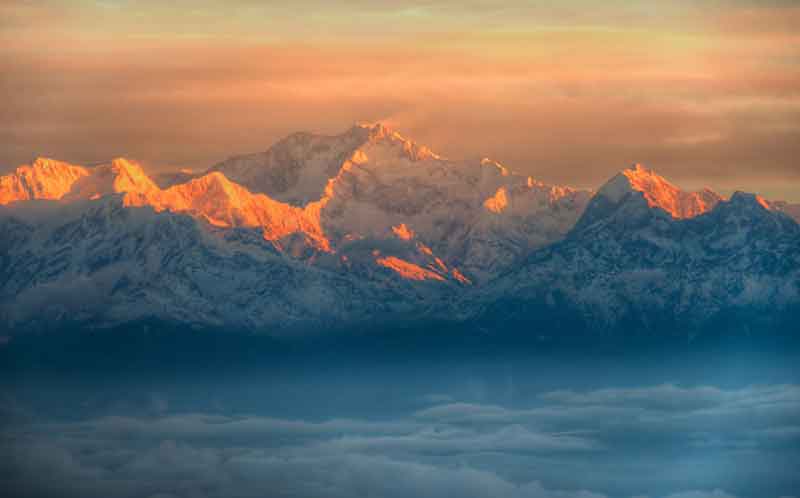
The hill is renowned for its picture-perfect sunrise. As the first rays of light touch the peaks, Kanchenjunga and Everest emerge, painted in a golden glow.
Tiger Hill provides a full 360-degree view, extending from the snowy Himalayas to the lush green valleys below. The crisp, fresh mountain air and the grandness of this scenery create an otherworldly experience.
2. Batasia Loop
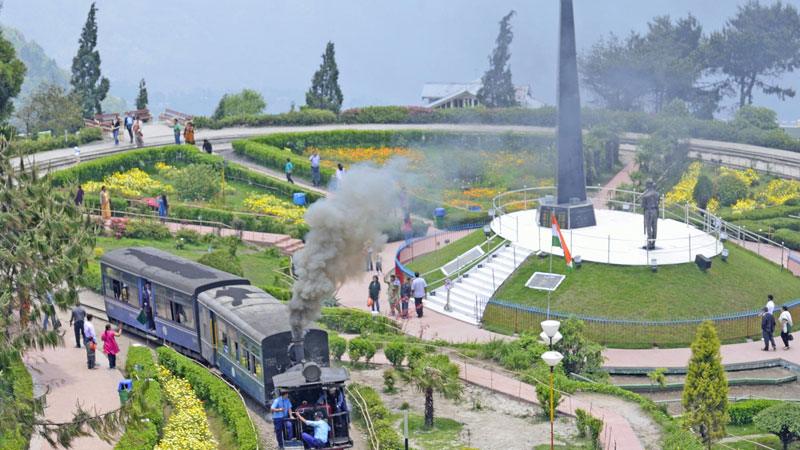
Batasia Loop is not just a simple railway track—it will be an experience you’ll cherish forever. Built in 1919, this is a unique spiral track which was designed to make the steep climb of the Darjeeling Himalayan Railway smooth and enjoyable.
As this toy train winds around the hill, passing through tunnels and circling over itself, you won’t even realize that you’ve seamlessly descended nearly 1,000 feet.
Now, the view around this is truly exceptional. Surrounded by beautifully maintained gardens, the loop offers stunning, all-around views of the majestic Himalayas. Watching the toy train traverse through this picture-perfect view with the mountains looks spectacular, making it a must-visit for every traveller.
3. Darjeeling Himalayan Railway (Toy Train)
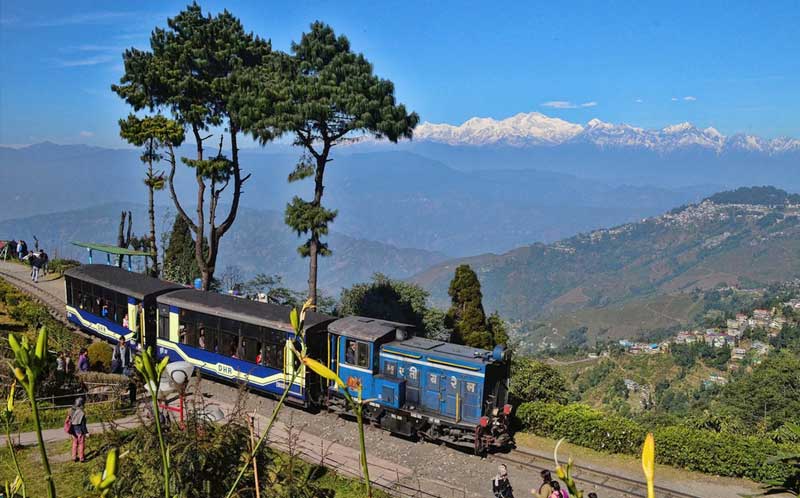
Let us take you on an enduring journey on the Darjeeling Himalayan Railway, also known as the “Toy Train.” It is recognized as a UNESCO World Heritage Site. This iconic ride isn’t just transportation—it’s an experience you’ll cherish forever.
Stretching across 83 kilometers from New Jalpaiguri to the charming hills of Darjeeling, the train quietly winds through lush tea gardens, misty mountains, and breathtaking landscapes. As it climbs higher, it takes you through Ghum Railway Station – it is the highest railway station in the world – making the journey even more special.
This narrow-gauge masterpiece of engineering weaves through loops and curves that showcase incredible craftsmanship. But beyond its technical brilliance, it’s the slow, nostalgic charm – the rhythmic chug, the cool mountain air, and the stunning views – that truly captivate travelers.
If you’re looking for a journey that blends heritage, beauty, and memorable moments, the Toy Train of Darjeeling is something you should not miss.
4. Peace Pagoda
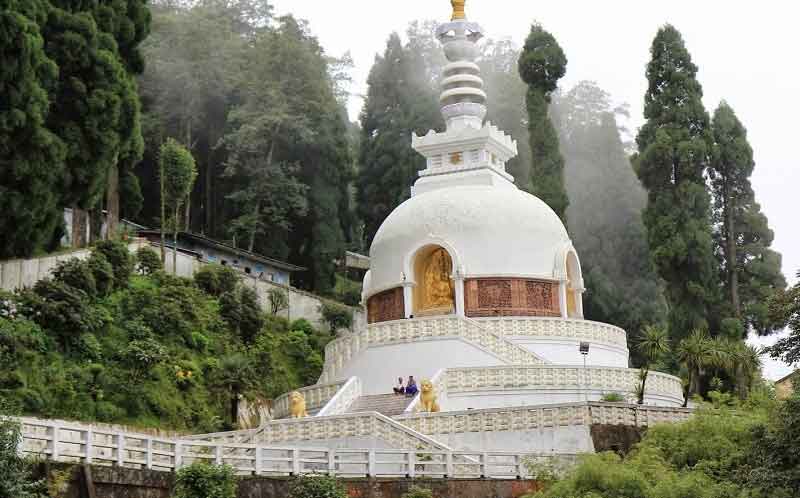
Visiting Peace Pagoda is more than just simple sightseeing – it is an experience that calms your energy and lifts your spirits. It is known as a symbol of peace and religion. This is a marvelous Buddhist temple and monastery that invites you to slow down and truly connect with your surroundings.
Imagine this: while you are making your way up, the anticipation builds up, and the moment you arrive, you’re met with breathtaking views of the Pokhara Valley. It is a place that is surrounded by lush greenery and majestic snow-capped peaks. It creates an otherworldly atmosphere that feels like you’re stepping into heaven.
Gleaming with a white marble structure and greenery all around, creates an ethereal atmosphere. Stepping inside, you’ll find a space perfect for quiet reflection and meditation. And as you do so, you will feel all your stress go away, and your mind will calm down. You can even witness peaceful Buddhist rituals.
One of the most remarkable aspects of this attraction is how effortlessly it blends nature and spirituality. Located at the top overlooking Pokahara Valley, with panoramic mountain views and a deep sense of calmness in your mind, you just don’t see the beauty of this place; you actually feel it.
If you’re looking for peace, perspective, and a view you’ll never forget, this is the place for you.
5. Padmaja Naidu Himalayan Zoological Park
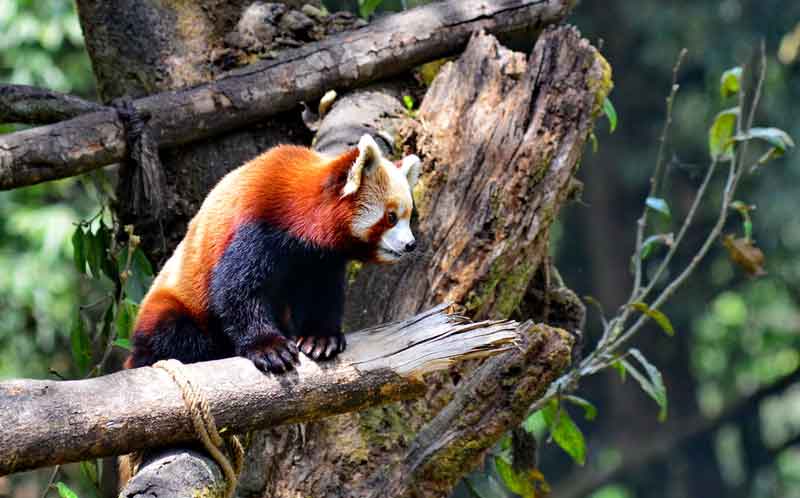
Located in the misty enchantment of Darjeeling – the “Queen of the Hills” – lies a place where nature, wildlife, and conservation come alive: the Padmaja Naidu Himalayan Zoological Park. It is one of the best zoo parks in India, and while travelling in Darjeeling, it is a must-visit. Set at an altitude of 7,000 feet, this is not just a zoo—it’s a memorable journey into the wild side of the Himalayas.
Just 3 km from the Darjeeling Railway Station, this well-known park invites you to explore one of India’s most unique wildlife sanctuaries. Surrounded by lush greenery, it offers a rare chance to witness endangered Himalayan species up close, namely the Red Panda, the Snow Leopard, the Tibetan Wolf, the Barking Deer, the Eastern Pangolin, the Himalayan Monal, Lady Amherst, Red Jungle Fowl, Royal Bengal Tiger, and many more.
This place has got its special global recognition for conservation. As a leader in breeding and protecting endangered species, the park stands as a symbol of hope and dedication, and it has earned the international award of “The Earth Heroes 2014”. It is also the largest high-altitude zoo in India, situated at 7,000 feet above sea level.
Surrounded by cool mountain breeze and beautiful scenery, every step here feels refreshing and calm. It’s not just seeing animals; this park serves as a beacon of conservation, enabling you to experience the delicate balance of nature and understand the importance of conserving it.
If you’re visiting Darjeeling, this remarkable high-altitude zoo is a must-see, where every moment connects you closer to the wild and leaves you inspired.
6. Tea Gardens
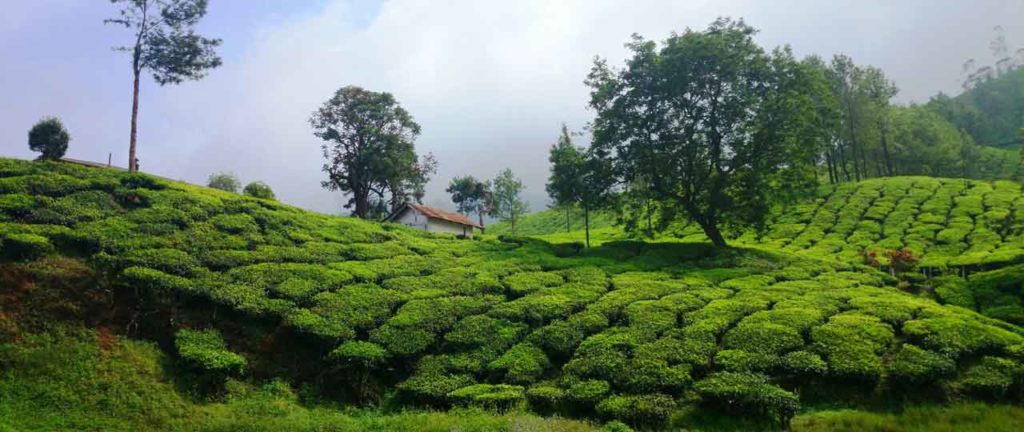
In the heart of the Himalayas, Darjeeling invites you to slow down and soak in its most iconic charm—its world-famous tea gardens. Darjeeling tea is known globally; this hill station offers more than just a drink; it offers an experience that refreshes your senses and calms your soul.
As you wind through mountain roads, the first glimpse of endless green plantations feels almost magical. Hills covered with neatly trimmed tea bushes stretch as far as the eye can see, while the cool breeze carries the appeasing aroma of fresh tea leaves.
Going into these gardens, you are invited by the warmth of the local people who proudly carry forward generations of tea-making tradition.
These tea gardens, spread like lush green carpets across the hills, offer peaceful walks, breathtaking views, and moments of pure serenity.
If you’re seeking relaxation, beauty, and a taste of something truly special, Darjeeling’s tea estates are an experience you simply can’t miss.
How Can You Follow the Perfect Darjeeling 3-Day Itinerary?
If you’re short on time, this well-planned Darjeeling itinerary ensures you don’t miss out on the highlights.
Day 1: Arrival & Local Exploration
- Arrive in Darjeeling and check into your hotel.
- Visit Mall Road and Chowrasta.
- Explore local markets and cafes.
- Enjoy a relaxed evening with scenic views.
Day 2: Sunrise & Sightseeing
- Early morning trip to Tiger Hill for sunrise.
- Visit Batasia Loop and Ghum Monastery.
- Explore Peace Pagoda.
- Walk through the tea gardens.
- Optional Toy Train ride (if you have time).
Day 3: Nature & Departure
- Visit the Zoological Park or the Himalayan Mountaineering Institute.
- Quick shopping for souvenirs.
- Depart with unforgettable memories.
This itinerary ensures you experience the best of Darjeeling without rushing.
Why Is Darjeeling Famous Beyond Its Tea Plantations?
While tea is a major highlight, Darjeeling offers much more:
- Mesmerizing Himalayan views
- Rich colonial architecture and heritage
- Cultural diversity
- Adventure activities like trekking
- Peaceful monasteries and spiritual spots
Darjeeling is a destination that blends nature, culture, and heritage seamlessly, making it appealing to all kinds of travellers.
What Food Should You Try While Exploring Darjeeling?
Your Darjeeling travel guide isn’t complete without food recommendations.
- Momos: Steamed dumplings filled with veggies or meat served with spicy chutney.
- Thukpa: A comforting noodle soup perfect for cold weather.
- Darjeeling Tea: Fresh, aromatic, world-famous, and a must-try
- Sel Roti: A traditional sweet snack
Local eateries offer authentic flavors according to your budget. Exploring local cuisine adds a deeper connection to the destination.
How to Reach Darjeeling Easily?
Air
- Nearest airport: Bagdogra (approx. 70 km)
- Taxis and shared cabs are available from the airport.
Train
- Nearest station: New Jalpaiguri (NJP)
- Well-connected to major cities.
Road
- Regular taxis and buses connect Darjeeling to nearby cities.
What Are Some Travel Tips to Make Your Trip Hassle-Free?
- Carry warm clothes even in summer.
- Start your day early for sightseeing.
- Keep cash handy (limited ATMs in some areas)
- Respect local traditions and the environment.
- Book accommodations in advance during peak season.
These small tips can make a big difference in your overall experience.
Why Should Darjeeling Be Your Next Travel Destination?
This Darjeeling travel guide shows that this destination is more than just a hill station—it’s a memorable experience. Whether you’re looking for a relaxing escape, a romantic escape, or an adventurous trip, Darjeeling has something for everyone.
With its scenic beauty, cultural richness, and peaceful vibe, it stands out as one of the best hill stations in India. Use this Darjeeling travel guide to plan your journey and create memories that will last a lifetime.
What Is the Perfect Way to Wrap Up Your Darjeeling Experience?
Darjeeling is more than just a destination—it’s a feeling of calm, beauty, and timeless charm. In the end, this Darjeeling travel guide isn’t just about planning a trip—it’s your invitation to experience a place that stays with you forever. From breathtaking views to calming moments in the hills, Darjeeling offers a charm that’s hard to resist. Once you’ve seen it for yourself, you’ll understand why it’s not just a destination, but a journey worth taking.
As you prepare to leave the misty hills behind, coming back to your home, you have more than just photos—you carry stories, experiences, and a longing to return.
Frequently Asked Question About Darjeeling
Which is the best month to visit Darjeeling?
March to May and October to December offer the best weather and clear views.
How many days are enough for Darjeeling?
3 to 4-day trip is ideal to explore the main attractions comfortably.
Is Darjeeling suitable for a budget trip?
Yes, there are plenty of budget-friendly hotels, food options, and local transport.
What are the must-visit places in Darjeeling?
Tiger Hill, Batasia Loop, Darjeeling Mall Road, and the Himalayan Mountaineering Institute.
How can I reach Darjeeling?
The nearest airport is Bagdogra and the nearest railway station is New Jalpaiguri.