
During June and July, India is at its most beautiful! To make the most of your vacations, India gives the best destinations to go to. In India, some destinations present cool mountain weather and adventure pursuits, while other places turn into a thick grassy paradise with refreshingly light rains.
Travelling in June and July delivers a traveller with misty hill stations, wildlife reserves, attractive valleys, and plantation gardens. All these reasons make these months to be ideal for travellers who are looking for nature, peace, and outstanding adventures.
If you are searching for the best places to visit in June and July in India, this blog will help you discover destinations to go to in June or July that are perfect for families, couples, nature lovers, and adventure enthusiasts.
Table of Contents
Why should you go out in June and July?
June and July are ideal months for travelling in India to escape the summer heat in cold, dense hill stations. You can watch the arrival of the monsoon season, enjoy off-season discounts, and visit your favorite destinations with fewer crowds. Here is why you should travel in June and July—
- Spend your vacations in the Himalayas: June and July mark the best time to visit the Himalayan region. Rishikesh is excellent for water rafting on the Ganga. Places like Manali and Shimla provide chilly and lovely temperatures.
- Heavy Showers in the South & West: Going to places like Coorg, Munnar, Wayanad, and Lonavala in these months gives a great sense of refreshment, relaxation, and peace as these places come alive with rich greenery, fresh foggy mornings, and epic waterfalls.
- Undiscovered North East: Shillong and Cherrapunji present their best in July. I have visited Shillong in the past. These places turn into an amazing land filled with haze, supreme waterfalls, and vibrant, dense vegetation.
- Call from the Mountains: In these months, mountainous places like Ladakh and Spiti Valley give clear roads, pleasant fresh weather for biking, and attractive landscapes, while the rest of India endures the heat of summer. Personally, driving a bike to the mountains in these months feels magical, but remember the roads are very slippery at these times. In these times, the vibes are just immaculate.
- Off-Season Benefits: These months provide discounts on hotels and flights. Also, there are fewer tourists at popular sites.
- Watching Wildlife: The intense heat in these months brings the wildlife out, making it an excellent time for animal sightings at Satpura Tiger Reserve, Madhya Pradesh.
What Is the Weather Like in June and July?
June marks the beginning of the wet season in many regions. July brings thick grasses and brisker surroundings. If you are planning a vacation during these months, understanding the climate conditions can help you choose the perfect destination.
In June –
- Temperature in major cities such as Rajasthan, Delhi, Uttar Pradesh, Punjab, Haryana, Madhya Pradesh, and Gujarat rises between 44° and 50° Celsius.
- In many regions of India, the monsoon season starts in June. Kerala, Mumbai, Goa, and Kolkata are all very stormy during this month.
- In the Himalayas, rain and mist start becoming more prominent.
In July –
- The average temperatures in July range between 24°C and 35°C in the plains.
- The southern coastal areas are humid.
- The mountainous regions are cold.
What is the speciality of each month?
June: June is a month of refreshing change and a calendar full of celebrations. Days in the month reflect India’s diverse traditions, which offer close moments of community, reflection, and joy. It is a great time when families and friends come together to join each other in unique customs and festivals.
July: This month brings the best of the monsoon season, bringing nurturing rain to the lands. July also has a rich mix of festivals, national holidays, and the start of a busy academic and professional period. July is the month of transition, revival, and patriotic vibes across the land.
What are the events you can visit in June and July?
Travelling during June and July gives you the chance to learn about cultural events, monsoon festivals, and unique local celebrations. From monsoon celebrations to cultural festivals, here are some major events held in June and July:
June-
- Kerala’s Kottiyoor Vaishaka Mahotsavam
- Shimla Summer Festival
- Ganga Dussehra in Varanasi and Rishikesh
- Saga Dawa in Sikkim
July–
- Delhi Tourism Mango Festival
- Snake boat race in the town of Champakulam, Kerala
- Njangattiri Aanayoottu in Kerala
- Guru Purnima in Rishikesh
What are the best summer vacation places in India?
In India, temperatures could reach up to 50° Celsius during the months of June and July. This makes these months the best for escaping the summer heat.
People go to the Himalayan hill stations like Leh-Ladakh, Kashmir, and Manali. People also go to Coorg, Munnar, and Mahabaleshwar to experience the early rains and overgrown fields. For adventure and spectacular beauty, people go to Sikkim or Tawang.
Here are some places you can visit this June and July and beat the summer heat:
Ladakh
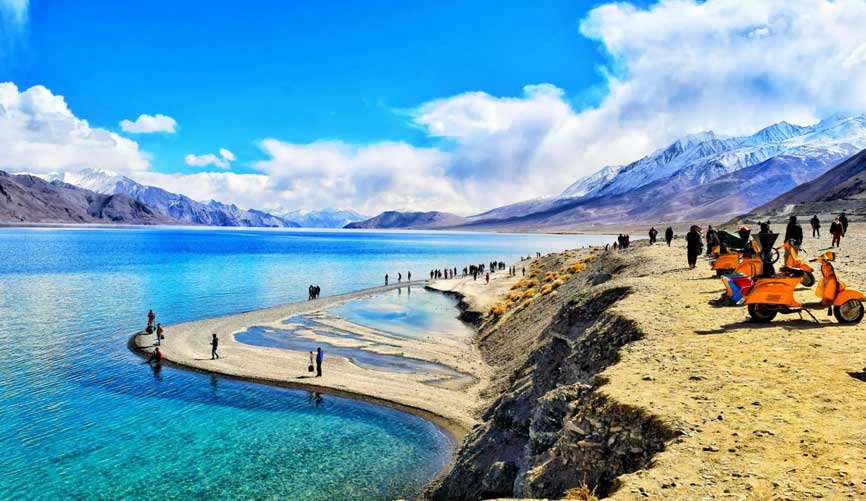
Ladakh is a Union Territory of India. Ladakh is a high-altitude “cold desert” in the Himalayas, which is known as the “Land of High Passes.”
- Climate: The temperatures in Ladakh range between 8°C and 25°C.
- How to reach: All the major roads, Khardung La and Chang La, are open.
The Manali-Leh and Srinagar-Leh highways are functional.
Look forward to
- Visiting the Nubra Valley’s sand dunes.
- Camp along the Pangong Tso/Tso Moriri lakes.
- Take a drive over Khardung La.
- Ride on the Bactrian camels.
- Visit Leh’s monasteries.
Interesting things to enjoy
- Tour the high-altitude lakes like Pangong Tso.
- Try trekking in the Markha Valley.
- Challenge the water through river rafting on the Indus.
Culture & People
Ladakh is known as “Little Tibet” as it has strong cultural, historical, and religious connections to Tibet.
The population consists of Buddhists and Muslims, and their primary speaking languages are Ladakhi, Purig, and Tibetan.
Crowds & Prices
June/July is the busiest tourist season, which results in high demand and higher prices for flights and hotels.
Festivals:
The Hemis Festival is a Buddhist celebration with masked dances (Cham); this year, it can be celebrated between June 21 and 28.
Spiti Valley
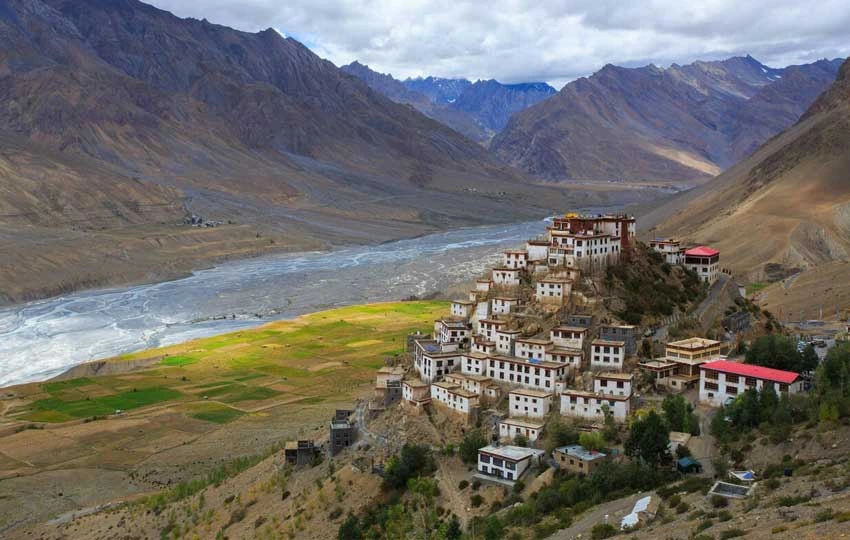
Spiti Valley is famous for its uneven and barren landscapes. It has ancient Buddhist monasteries and a vibrant Tibetan culture.
- Weather—In June and July, the temperatures in Spiti Valley range between 10°C and 27°C.
- How to reach—Spiti Valley is fully open in June and July, and personally, I think this is one of the best times to visit. Roads from both Shimla and Manali open by early June.
Fun options to try:
- Camping at the Chandratal Lake.
- Visiting the ancient Key Monastery.
- Visiting the world’s highest post office in Hikkim.
- Shopping in the Kaza market.
- Trek around Dhankar Lake.
- Go to the local festival Tshechu Fair.
Enjoyable activities—
- Trekking
- Stargazing
- Mountain biking
Culture & People-
The culture in Spiti Valley is influenced by the Buddhist culture that thrives. Here, the place features masked dances and traditional trade fairs. The friendly local community always welcomes travelers during the peak summer seasons.
Crowds & Prices:
These months have the peak tourists in the Spiti Valley. This peak time results in high visitor numbers, fully open routes, and high prices.
Festivals:
- Tshechu Fair (June)
- Kungri Festival (July)
- Cham dances at Ki, Tabo, and Gemur monasteries
Coorg
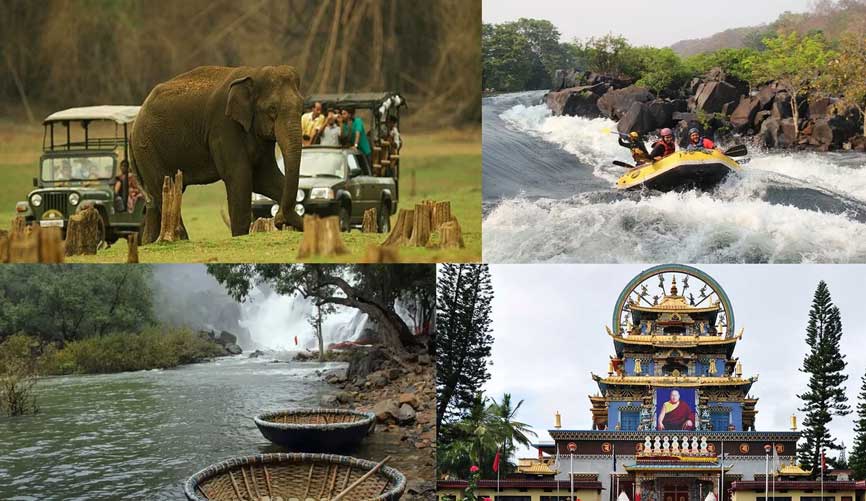
Coorg, which is also known as Kodagu, is one of the most beautiful hill stations in Karnataka. It is located in the Western Ghats and is often called the ‘Scotland of India’ because of its misty surroundings and pleasing beauty. This region is filled with dense hills, coffee plantations, and flowing waterfalls.
- Weather—The temperatures in June & July in Coorg range between 19°C and 26°C.
- How to reach—To visit Coorg in these months is generally available, but expect heavy rain that can cause occasional roadblocks and landslides.
You can enter Coorg by road from Bangalore or Mysore through private taxi or KSRTC buses.
Fun options to do:
- Cherish the Waterfalls—Abbey Falls and Iruppu Falls
- Take a thrilling Jeep ride to Mandalpatti to undergo the “journey to the clouds”
- Visit Lakes such as the Honnamana Kere Lake or visit the Chiklihole Reservoir
- Walk through coffee and spice plantations
- Visit Talakaveri and the 1820s Omkareshwara Temple in Madikeri
Interesting things—
- Try the White Water Rafting in the Barapole River
- Trek to the highest peak in Coorg
- Tour to the cloudy trails of Pushpagiri Wildlife Sanctuary and Kopatty Hills
Culture & People-
The local Kodava people have a distinct culture. They celebrate the arrival of the rains and the agrarian lifestyle in June and July.
Crowds & Prices:
In June and July, there are fewer tourists compared to the peak winter and summer seasons. Accommodation rates in both luxury resorts and homestays are lower than in the peak season.
Festivals:
There are no major festivals in Coorg during these months, but
- The locals often celebrate the arrival of the rains.
- The local people pay respect at the Paadi Igguthappa Temple in Kakkabe.
- The preparation starts for the monsoon-related ritual, which is called ‘Cauvery Theerthodbhava.’
Munnar
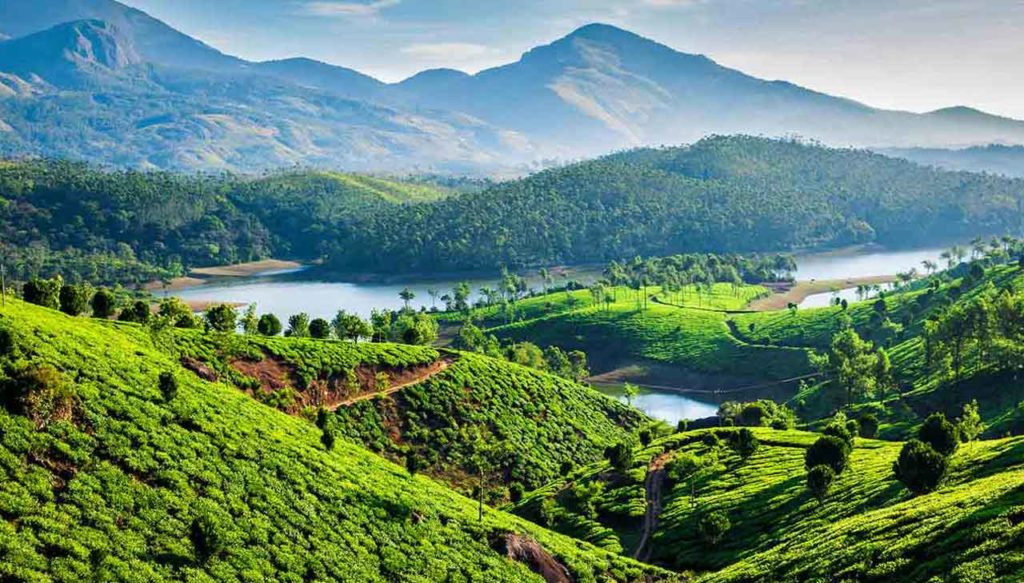
Munnar is an outstanding hill station in Kerala, India. It is situated at ~1,600m in the Western Ghats. Munnar is renowned for its vast tea plantations, cold climate, and incredible hazy valleys. I want to tell you that when I visited Munnar, I found myself surrounded by a fresh tea aroma and an earthy smell.
Munnar is a place that fills every checklist of being utterly beautiful. As I reached this place, this place was no less than that of a paradise. This place has such amazing scenery that is unparalleled by any other location; its waterfalls are just mesmerizing. If you want to go to a lush, colorful paradise, I can vouch for Munnar.
- Climate—In June and July, the temperatures in Munnar range between 15°C and 22°C.
- How to reach– Going to Munnar in June and July is possible but challenging due to the peak precipitation season, which results in heavy rainfalls, fog, risks of landslides, and potential road blockages.
Opt for using a private taxi or car, as this will ensure your safety and convenience.
Things to Do:
- Mesmerize the full-flow beauty of Attukal Waterfalls, Lakkam Waterfalls, and Chinnakanal Waterfalls.
- Explore the dense tea plantations in the Devikulam tea estate.
- Enjoy the views of the Western Ghats.
Activities to Enjoy:
- Visit the Tata Tea Museum.
- Take a calm boat ride at Kundala Lake.
- Take a drive for picture-perfect views of mist-covered mountains and tea estates.
Culture & People:
Munnar was originally home to the Muthuvan tribal community. The interaction with locals is often focused on tea and its related projects.
Crowds & Prices:
Munnar in June and July provides a budget-friendly escape. In these months, there are low crowds and reduced prices.
Festivals:
- The local communities in Munnar hold traditional rituals and small festivals during these months.
- Karkidaka Vavu (July)
Lonavala
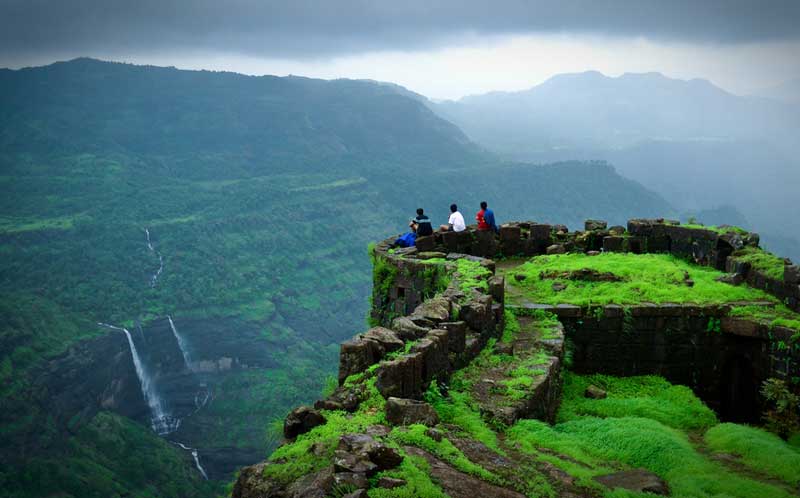
Lonavala is a top-tier hill station in Maharashtra, India. It is known as the “Jewel of Sahyadri” and is famous for its monsoon greenery, waterfalls, and ancient caves.
- Temperatures—In June & July in Lonavala range between 26°C and 29°C.
- How to reach- Reaching Lonavala in June and July is very easy. Roads are open, but driving can be tricky due to heavy rain, fog, and slippery conditions.
The Mumbai-Pune Expressway provides an easy entrance.
Look forward to
- Visit the Tiger’s Leap and Rajmachi Point for panoramic views of the valleys.
- Watch the Bhushi Dam, Kune Waterfalls, and Tungarli Lake as they are filled to the top.
- Visit the ancient Karla Caves and Bhaja Caves.
Enjoyable Activities
- Go on treks to Lohagad Fort, Tikona Fort, or Duke’s Nose
- Enjoy the cozy drives around Pawna Lake
Culture & People
The culture of Lonavala is deeply Maharashtrian. Here, the locals are polite and hospitable.
Crowds & Prices
In the months of June and July, Lonavala goes from a quiet place to a high-energy spot. The early rains make the place packed with a high number of people, and the prices also go higher.
Festivals
- Rajmachi Fireflies Festival (Mid-May to Mid-June)
- Beatland Music Festival (Late May/Early June)
Which Are the Best Hill Stations in India for June/July?
When the summer heat starts rising and the rainstorm clouds begin to appear, the chill hill stations of India become the perfect escape for travellers. June and July are ideal months to visit the misty mountains, flourishing, rich leafy valleys, waterfalls, tea gardens, and pleasant temperatures, which are far away from the busy city life.
In these months, India offers many beautiful hill stations that make your vacations more special.
India provides amazing vacation spots from calm Himalayan towns to pretty Southern resorts; these destinations provide fresh mountain air, magnificent landscapes, and a remarkable venture. Here are some of the best hill stations in India for June and July that you must add to your travel list.
| Places | What it brings |
| Kodaikanal | Weather: June and July bring pleasant, warm weather with frequent rains. Scenery: The terrain is very dense, and waterfalls are full. Prices and crowds: In Kodaikanal these months are off-season. There are fewer tourists and lower accommodation rates. Fun Tasks: This place is ideal for nature lovers, photographers, and couples seeking a comfortable getaway. Places to visit: Dolphin’s Nose or Coaker’s Walk. |
| Gulmarg | Weather: These months bring comfortable days and chill nights. Scenery: The terrain has grassy fields which are covered in flowers like lupins and daisies. Prices and crowds: In Gulmarg, this is the peak summer season. You’ll find a high volume of tourists and higher prices. Fun Tasks: Try the ATV rides. Play golf at the world’s highest green golf course. Ride on horses through riding to spots like Ningle Nallah and Baba Reshi. The Outer Circle Walk gives amazing views of the Himalayan peaks. Places to visit: Gulmarg Gondola or Alpather Lake |
| Darjeeling | Weather: In these months you’ll find frequent rains and high humidity. Scenery: Darjeeling turns into a dense, hazy, and romantic paradise. You’ll get vibrant tea gardens that bring out an earthy smell that is almost similar to the smell of fresh rain. There are high peaks and fog-covered mountains. Prices and crowds: This is an off-season, so it offers lower prices and fewer crowds. Fun Tasks: You can enjoy charming train rides. Try different teas and go to visit cafes. Places to visit: Tiger Hill, Batasia Loop Happy Valley Tea Estate |
| Shillong | Weather: June and July mark the start of the wet season, the start of heavy rainfalls. Scenery: Shillong turns into a lush, colorful paradise. There are recurrent rains. Prices and crowds: Shillong in June and July offers lower prices and minimal crowds. Fun Tasks: Try boating on Umiam Lake. Go on trekking through the Laitlum Canyons. Walk on the unique living root bridges. Places to visit: Elephant Falls, Ward’s Lake, Laitlum Canyons, Police Bazar |
Which Are the Best Family Vacation Places in India During Monsoon?
The monsoon is one of the most extraordinary times to travel in India with family. As the rain washes over the mountains, forests, and countryside, the landscapes become abundantly fertile, waterfalls come alive, and the weather becomes crisp and refreshing.
India homes beautiful hazy hill stations, calm waters, and gorgeous leafy valleys. The rainy season provides numerous destinations that are perfect for a special family break.
If you are thinking of getting into relaxing natural spots, adventure-filled holidays, or comfortable mountains, these best family vacation places in India during monsoon promise a beautiful atmosphere, enjoyable weather, and unforgettable experiences for all travellers.
| Places | Known for | How to reach |
| Munnar | Tea Gardens | The nearest airport is Cochin International Airport. Then you have to hire a prepaid taxi, or you can take a KSRTC bus from the airport to Munnar. Aluva is the closest train station. Then you have to take taxis or buses from the station area. From roads, you can travel from Kochi via NH85 or from Coimbatore via the Pollachi-Udumalaipettai road. |
| Coorg | Waterfalls | Kannur International Airport is the nearest airport, so you have to hire private taxis or KSRTC buses from Mangalore or Kannur. Mysore Junction is the most convenient railway station. Then you have to take buses and taxis that are available from Mysore station to Madikeri. By roads, you can travel from Bangalore via SH17 or SH88. From Mysore via SH88. |
| Udaipur | Lakes | The nearest airport is Maharana Pratap Airport, which is located around 20-24 km away from the city center. Udaipur City Railway Station is the nearest to Udaipur, which is located 3 km from the city center. Udaipur is connected by four- and six-lane highways via NH8. |
| Shillong | Hills | The Lokpriya Gopinath Bordoloi International Airport at Guwahati is the best option to reach Shillong. Then to reach Shillong, book a cab or take an Assam State Transport Corporation (ASTC) bus directly to Shillong. Guwahati Railway Station is the primary station to reach Shillong; then you have to take taxis or buses. From the road, the National Highway 40 connects Guwahati to Shillong. |
What are the Travel Tips for June & July Tours in India
- Pack fast-drying clothes, raincoats, waterproof bags, and quality footwear, as you have to travel to places with heavy rain.
- Carry light woolen clothes if you are travelling to hill stations.
- Book hotels and transport early during summer vacations.
- Avoid risky trekking routes during heavy rains.
- Travel by local transport or hire a professional driver familiar with the slippery mountain roads.
- Make sure to carry medicines and mosquito repellents while travelling, as these months have frequent rains.
- Try to plan morning sightseeing to avoid the heavy afternoon showers that are common during these months.
Conclusion
India can offer such amazing places. From the adventurous rivers of Rishikesh to the hazy tea gardens of Munnar and the magical waterfalls of Cherrapunji, these destinations truly depict the best places to visit in June and July in India.
Whether you are planning a family holiday, a romantic escape, or an adventurous road trip, these places offer impressive memories, refreshing climate, and picturesque landscapes in the monsoon and summer seasons.