

Have you ever heard about the Jyotrilingas . What actually is a Jyotirlinga?
It is considered in Hinduism, Jyotirlingas are the most worshipped sites, especially dedicated to Lord Shiva. The word “Jyotirlinga” is derived from Sanskrit; the word “Jyoti” means “light,” and “Linga” is the symbol of Lord Shiva. Together they form “Jyotirlinga.”
According to the Shiva Puranas, after a fierce dispute between Brahma (the creator) and Vishnu (the preserver) over who was supreme.
Ending the dispute, Shiva appeared as the Anadi Anant (beginningless and endless) truth and formed the pillar of eternal light, “Jyotirlinga.”
There are 12 Jyotirlingas in India, dedicated to Lord Shiva; among these, five are situated in Maharashtra. To cover them, a Maharashtra Jyotirlinga tour circuit has been formed.
Table of Contents
What makes the Maharashtra Jyotirlinga tour special?
Maharashtra is not only the hub for culture and forts but also a deeply spiritual state. While tradition holds that there are 12 Jyotirlingas, Maharashtra alone is the home to 5 of them. A major spiritual destination for Lord Shiva. Plan a Maharashtra Jyotrilinga tour and witness the holy presence yourself. The unique combination of spiritual richness and cultural heritage makes this state the most religious place.
5 Jyotirlingas in Maharashtra
The 5 Maharashtra Jyotirlingas are known as the Pancha Jyotirlingas.
- Shri Trimbakeshwar Jyotirlinga – Nashik
- Shri Bhimashankar Jyotirlinga – Pune district
- Shri Grishneshwar Jyotirlinga – Aurangabad district
- Shri Aundha Nagnath Jyotirlinga – Hingoli district
- Shri Vaijnath (Parli Vaijnath) Jyotirlinga – Beed district
Suggested travel route
| DAYS | LOCATION | DISTANCE |
| Day: 1-2 | Bhimashankar, Pune | Starting Point |
| Day: 3 | Trimbakeshwar, Nashik | 200 km |
| Day: 4-5 | Grishneshwar, Aurangabad | 220km |
| Day: 6 | Aundha Nagnath Hingoli | 180km |
| Day: 7 | Parli Vaijnath Beed | 120km |
About the Temples of the 5 Jyotirlinga in Maharashtra
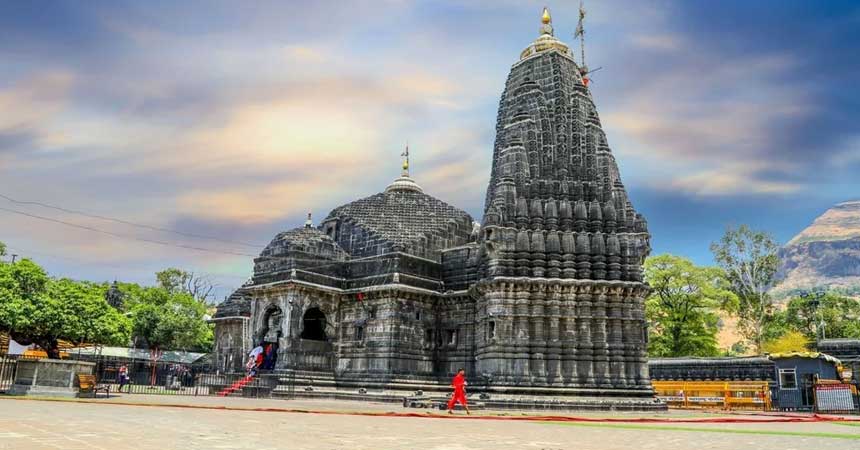
1. Shri Trimbakeshwar Jyotirlinga: Lord of the three eyes
Location
An ancient Hindu temple located in Trimbak, near Nashik, Maharashtra. The holy river Godavari originates from here; hence, it is known as the most sacred place in the Maharashtra Jyotirlinga tour.
Historical significance of the temple
The three-faced lingas represent Brahma, Vishnu, and Mahesh. The temple is considered the most spiritual place for performing rituals like Kaal Sarp Shanti and Narayan Nagbali to purify the soul.
Temple timings
- Temple opens: 5:30am
- Temple closes: 9:00pm
On Mondays and festivals like Mahashivratri, the temple receives a huge footfall.
Best time to visit
October to March is the best time to visit. Avoid the festive season, like Mahashivratri and the Shravan month, as it is highly crowded.
Key attractions of the temple or nearby places
Kushvarta Kund: The symbolic source of the Godavari River, also known as the foundation of the Nashik Kumbh Mela.
Gangadwar: Known as the “Gateway of Ganga,” where the river reappears before reaching the Kushavarta Kund in Trimbakeshwar.
Brahmagiri Hills: It is considered the “hill of Lord Brahma.” A popular trek of 6km is available, providing a scenic view of the Sahyadri range.
Gorakhnath Gufa: situated in the Brahmagiri Hills. The temple dedicated to the goddess Ganga is located in this gufa.
Anjaneri Hills: A temple dedicated to Anjani Mata, the mother of Lord Hanuman, is located there, also known as the birthplace of Lord Hanuman.
How to reach
- Nearest railway station: Nashik Road Railway Station
- Nearest Airport: Ozar Airport or Nashik International Airport.
Experience:
The holy aura of this temple and the nearby Brahmagiri Hills create a memorable sense of peace and spirituality. The energy present here will connect you emotionally to nature and spirituality.
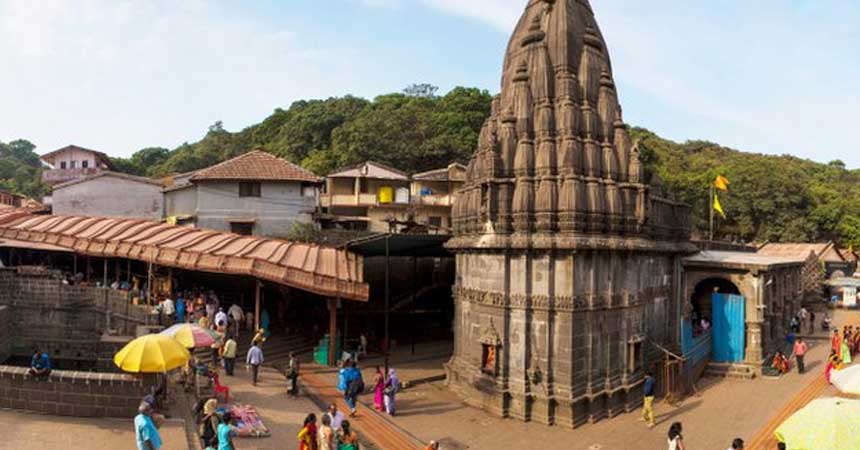
2. Shri Bhimashankar Jyotirlinga: Mokshada Bhimashankar
Location
Settled in the Sahyadri Hills of the Pune district, Maharashtra. It is the birthplace of the Bhima River, which is believed to have been formed from sweat from Shiva’s body. This river merges further into the Krishna River. The shrine was built around a Swayambhu linga, which is believed to be a linga that originated on its own. The linga is exactly at the center of the floor, in the temple’s shrine.
Historical significance of the temple
It is believed that this temple originated when a demon named Tripurasura was killed by Lord Shiva, after which peace prevailed. The temple is built in the Nagara style of architecture. The temple is filled with stone carvings and sculptures.
Temple timings
- Temple opening: 4:30am
- Kakad Aarti: 4:30 to 5:00am
- Shringar darshan: 4:00pm to 9:30pm
- Temple doors closed: 9:30pm.
Best time to visit
October to February are the best months.
Key attractions of the temple or nearby places
Bhima Shankar Wildlife Sanctuary: Located in Maharashtra’s Western Ghats. This sanctuary was established in 1984 and is also home to the Indian Giant Squirrel (Shekru).
Hanuman Lake: A serene water body located in the dense forest of the Bhimashankar Wildlife Sanctuary. It is the best key attraction for nature lovers for bird watching and relaxing.
Gupt Bhima Shankar: A lesser-known spot where a submerged Shiva linga is present behind a waterfall, and it is also known as the original source of the Bhima River.
Nagphani (Duke’s Nose): The name “Nagphani” means “snake’s hood” in Marathi, as the rock formation resembles the raised hood of a cobra, which attracts tourists.
How to Reach
- Nearest City: Pune (110 km away)
- By Road: Private cars, taxis, and tour buses are available to reach the temple directly.
Experience:
The calm atmosphere and blissful energy make devotees feel a deep connection to nature and Lord Shiva and give them more clarity and peace.
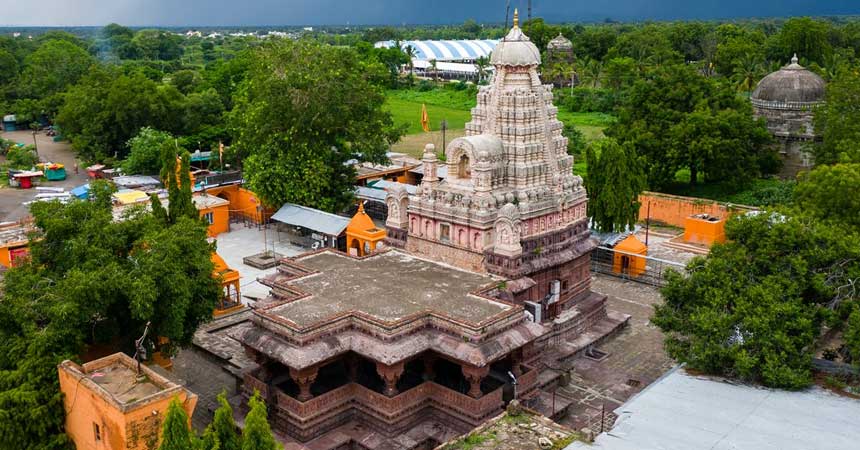
3. Shri Grishneshwar Jyotirlinga—Lord of compassion
Location
Located in Verul village near the Ellora Caves in Aurangabad, Maharashtra. It is the 12th Jyotirlinga. The temple was built of red volcanic rock in the 18th century by Queen Ahilyabai Holkar. It is formed in a 5-tier Shikhara and Hemadpanthi architecture.
Historical significance of the temple
The temple was destroyed during the 13th-14th century by the Delhi Sultanate. Before the reconstruction of the temple, it faced many rounds of destruction because of the Mughal and Maratha conflict. The structure of the temple represents the architecture of ancient times. The temple appeared as a Jyotirlinga because of the selfless devotion of a woman named Ghushma. The Lord brought back her son from death as a result of her pure devotion.
Temple timings
- Temple Opening: 5:30 AM
- Temple Break (Closed): 12:00 PM – 4:00 PM
- Evening Aarti: 7:30 PM – 8:00 PM
- Temple Closing: 9:00 PM – 9:30 PM
Best time to visit
October to March (winter season)
Key attractions of the temple or nearby places
Ellora Caves: A UNESCO World Heritage site. Kailash Temple is situated in these caves.
Daulatabad Fort: A masterpiece of medieval defense engineering, with dark tunnels, secret passages, and a stunning view from the top.
Aurangabad Caves: Buddhist rock-cut caves on the outskirts with a detailed structure and less crowded, more peaceful.
Bibi Ka Maqbara: The 17th-century Mughal tomb is also called the “Taj of Deccan” because of its resemblance to the Taj Mahal.
How to reach
- By train: The nearest station, Aurangabad Railway Station, is well-connected.
- By Air: The nearest airport, Aurangabad Airport, is well-connected from Delhi and Mumbai.
Experience:
The Ellora Hills and the architecture of the temple leave a sacred presence on devotees and make them feel more inspired and blessed.
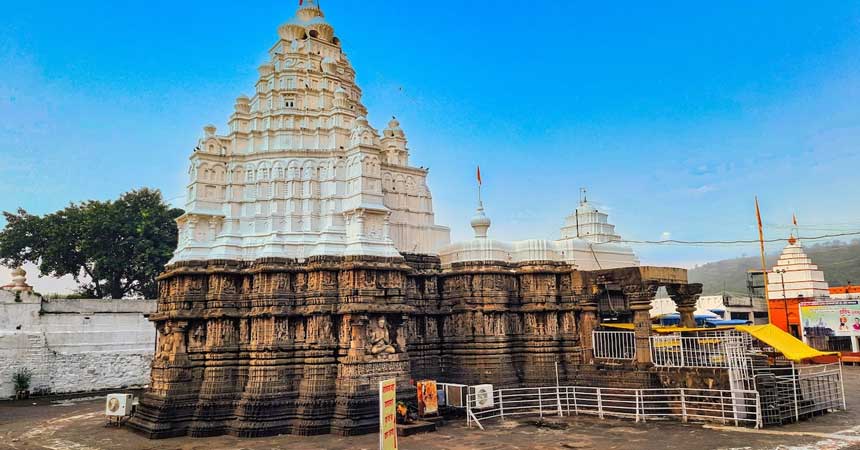
4. Shri Aundha Nagnath Jyotirlinga- Lord of Snakes
Location
The temple is located in Maharashtra’s Hingoli district. This is an ancient temple which is believed to have been built in the 13th century during the Yadava dynasty. The Shivalingam is situated underground, and Nandi is located behind the Garbha Griha.
Historical significance of the temple
The temple is connected with the Mahabharat, as it is believed that Yudhishthira, the eldest brother of the Pandavas, built this temple during their exile. It is said that the person who fears snakes worships here to remove the effect of the kaala sarpa doshas and other sarpa doshas.
Temple timings
- Temple opening: 5:00am
- Mangal Aarti: 5:00-5:30am
- Shayan Aarti: 8:30-9:00am
- Temple closing: 9:30pm
Best time to visit
October to March is a suitable time to avoid the summer season because of extreme heat.
Key attractions of the temple or nearby places
Mallinath Digambar Jain Temple: A 300-year-old temple located in Shirad Shahapur, where a large number of Jain pilgrimages come around the year.
Tulajadevi Sansthan: One of the most admired Shakti peeths in Maharashtra, dedicated to Tulja Bhavani, a form of Durga
Sant Namdev Sansthan: Birthplace of Saint Namdev, holding a spiritual temple that is dedicated to him for prayers and blessings.
Barashiv Hanuman Temple: A calm and peaceful temple located in the Hingoli district of Maharashtra, where Lord Hanuman is worshipped.
How to reach
- By Air: Nearest airports are Nanded (NED) domestic, Aurangabad, or Chattarpati Sambhajinagar.
- By train: Nearest railway stations are Hingoli Deccan (HNL) and Nanded (NED).
Experience:
The connection between God and devotees in this temple is unanswered as the temple’s ancient energy creates a deep faith, and prayers feel more heartfelt here.
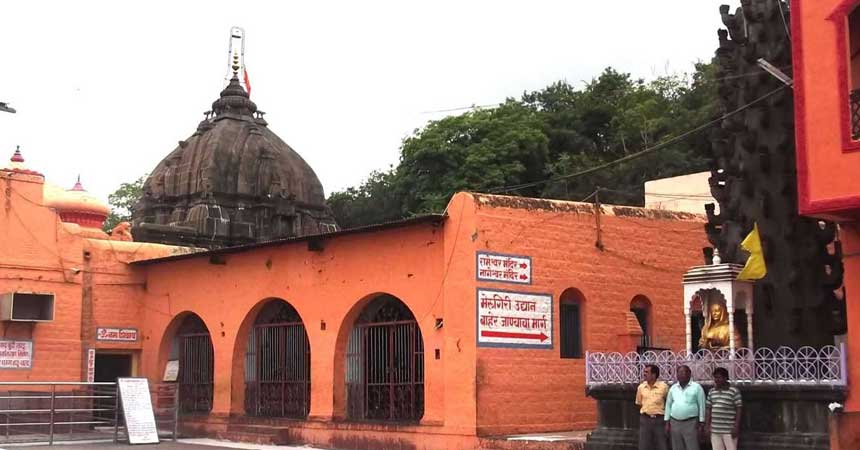
5. Shri Vaijnath (Parli Vaijnath) Jyotirlinga – The divine Healer.
Location
Situated in the town of Parli Vaijnath, in the Beed district of the Marathwada region in Maharashtra. The rising 75-80 feet tall, with its magnificent ancient peak visible from afar. The temple is less crowded and peaceful than other Jyotirlingas.
Historical significance of the temple
It is believed that Lord Shiva blessed this place with his healing powers. Those who pray here with sincere devotion are said to be cured of sufferings. Like other Hindu temples, it also suffered destruction during the period of the Mughals.
Temple timings
- Temple opening: 5:00am
- Kakad Aarti: 5:00am
- Sandhaya Aarti: 7:00pm
- Temple closing: 9:30pm
Best time to visit
October to March is the perfect time to visit. July – August are mostly crowded due to Shravan. One should avoid April – June as these months are extremely hot.
Key attractions of the temple or nearby places
Aadishakti Mata Yogeshwari Devi Mandir: Ancient Shaktipeeth of one of the most powerful devi temples of Marathwada. Beautiful architecture, clean and well-managed premises.
Gopinath Gad: A memorial complex built at the birthplace of Late Shri Gopinath Munde. It is a place of pride.
Dongar Tukai Temple & Waterfall: Located near Ambajogai, Beed district of Maharashtra. Goddess Tukai is worshipped here, and right beside the temple flows a stunning waterfall.
Ratneshwar Mandir: Situated on the top of a hill. It serves as the gram devata. Ideal for yoga, meditation, and prayers.
How to reach
- By Air: Nearest Airport Nanded Airport (NDC)
- By Train: Nearest railway station, Parli Vaijnath Railway Station
Experience:
known for healing energy, this temple is believed to be the healer of the devotees, bringing comfort and inner peace, and the surroundings make it more soothing and spiritual.
Why should you take this trip?
- The Maharashtra Jyotirling tour is considered the most spiritually powerful pilgrimage circuit. Completing this spiritual circuit will draw you close to immense spirituality.
- The local fairs, festivals, and traditions at each site will take you deep down into Maharashtra’s living tradition.
- If you want to avoid the chaos of booking everything individually, you may look into the 5 Jyotirlingas Maharashtra packages.
- These sites will connect you to Puranic legends and give you a great experience of ancient history, all in one trip.
Travel Tips
- Visit the temple in the early hours between 5-7AM to avoid peak hour rush and long queues.
- Book your stays well in advance during peak season, like Mahashivaratri and the month of Shravan.
- Keep modesty in your attire and wear decent clothes- traditional clothes preferred.
- Keep a small first aid kit handy with essentials.
- Keep ID proof and some cash, as it is a remote area.
- Always keep a buffer day to travel to any spiritual place.
Budget breakdown of the Maharashtra Jyotirlinga tour
- Budget trip cost: 14,000- 18,000 per person, including transportation, stay, food, and local travel.
- Comfortable trip cost: 25,000-30,000 per person with better hotels and easy travel.
- Best transportation option: Train+ Bus for budget travels and private cabs for comfort and convenience.
- Ideal trip duration: 5 to 6 days for a relaxed darshan experience.
- Best time to visit: October to March for pleasant weather.
7-day Itinerary for Maharashtra Jyotirlingas tour
Day: 1 Arrival in Pune – Bhimashankar
- Begin the spiritual journey from Pune.
- Travel to Bhimashankar Jyotirlinga in the Sahyadri hills.
- Attend darshan and evening aarti.
- Overnight stay near Bhimashankar or Pune.
Day: 2 Bhimashankar-Nashik-Trimbakeshwar
- After breakfast, drive to Nashik.
- Reach Trimbakeshwar Jyotirlinga by evening.
- Enjoy peaceful darshan and stay in Trimbak.
Day: 3 Trimbakeshwar- Aurangabad
- Early morning darshan.
- Depart for Aurangabad.
- Relax after arrival or explore local attractions.
- Overnight stay in Aurangabad.
Day: 4 Grishneshwar Jyotirlinga- Ellora
- Visit the temple early in the morning for darshan.
- Explore the magical Ellora caves nearby.
- Overnight stay in Aurangabad.
Day: 5 Aurangabad-Aundha Nagnath.
- Start your journey to Aundha Nagnath Jyotirlinga.
- Reach by evening and seek blessings.
- Overnight stay near temple/ Hingoli.
Day: 6 Aundha Nagnath- Parli Vajinath
- Depart for Parli Vajinath Jyotirliga.
- Attend darshan and enjoy the serene temple atmosphere.
Day 7: Return to Pune
- Begin the return journey by road or train.
- Reach the destination with a divine pilgrimage tour and unforgettable memories.
Conclusion
The journey of the 5 Maharashtra Jyotirlinga tour is not just a journey across the state, but a spiritual journey through some of India’s most sacred sites. The depiction of the Brahmagiri hills of Trimbakeshwar to the healing energy of Parli Vaijnath, each temple offers a unique connection with Lord Shiva, rich in history, legend, devotion, and epics of India.
This pilgrimage allows you to witness the living traditions of Maharashtra, explore the Ellora Caves, and immerse yourself in the natural beauty of the Sahyadri ranges. If you want to experience spiritual growth, inner peace, or want to be a part of ancient culture, this journey promises a blend of spirituality, nature, and architecture.
By respecting rules and taking time to sense the sacred atmosphere, your Maharashtra Jyotirlinga tour will transform your soul. The journey that stays in your heart long after the journey ends.
The divine aura of Jyotirlingas will enlighten not only your path but also your soul.
Frequently Asked Questions About 5 Jyotirlinga in Maharashtra
-
What are the 5 jyotirlingas of Maharashtra?
The 5 jyotirlingas of Maharashtra are:
1. Bhimashankar (Pune),
2. Trimbakeshwar (Nashik),
3. Grishneshwar (Aurangabad/Ellora),
4. Aundha Nagnath (Hingoli)
5. Parli Vaijnath (Beed). -
How many days does it take to complete the Maharashtra Jyotirlingas tour?
It takes around 7-8 days to complete the Maharashtra Jyotirling tour. It is advised to take a buffer day for smooth travel.
-
Which state has the most Jyotirlingas?
Maharashtra has the most jyotirlingas.
-
What is the best time for the Jyotirlinga yatra of Maharashtra?
The best time for the Jyotirlinga yatra of Maharashtra is from October to March.
-
What is the best route for the 5 jyotirlingas of Maharashtra?
The best route is Pune/Mumbai-Bhimashankar-Nashik (Trimbakeshwar)-Aurangabad (Grishneshwar)-Aundha Nagnath-Parli Vajinath.
-
Is there any budget stay available nearby?
Yes, there are dhamarshalas and budget-friendly hotels near all major temples.
-
Can a senior citizen visit all 5 jyotirlingas of Maharashtra comfortably?
Yes, senior citizens can easily travel to all 5 Jyotirlingas of Maharashtra comfortably by pre-booked transportation, stays, and darshans.
-
Which Jyotirlinga is nearest to Ellora caves?
Grishneswar Jyotirlinga is located near the famous Ellora caves in Aurangabad.
-
Are these temples crowded during Mahashivratri?
Yes, these temples are extremely crowded on the festive days like Mahashivratri and the holy month of Sharavan.
-
Is there any dress code for a temple visit?
No, there is no specific dress code for temple visit, but one should wear modest clothes.
-
Which is the oldest Jyotrilinga of Maharashtra?
Aundha Nagnath temple is the oldest among these five jyotirlingas.